Innovation Opportunities in
Transport & Logistics

Growth, Decarbonization, Digital Platforms, and Future Mobility

Executive Overview

Transport and logistics are entering a new innovation cycle. Growth is no longer defined mainly by moving more volume through existing networks or improving asset utilisation alone. The more strategic question now is where companies can create new value as decarbonisation, digital platforms, fulfilment transformation, and customer expectations reshape the industry.

For senior decision-makers, the most important shift is this: product, service, and business model innovation are becoming stronger value drivers than operational optimisation on its own. Operational excellence still matters. It improves cost position, reliability, resilience, and carbon performance. But the strongest commercial upside is increasingly tied to integrated logistics services, digital platforms, decarbonised fleet solutions, circular logistics systems, and infrastructure-linked opportunities.

That changes how the opportunity landscape should be read. The priority is not simply to optimise transport execution. It is to determine which opportunity spaces can create new revenue pools, strengthen customer ownership, and reposition the business within evolving logistics ecosystems.

Across the industry, five forces are converging

Demand is shifting towards visibility, reliability, flexibility, and lower-emission logistics

Regulation and customer pressure are accelerating fleet decarbonisation and carbon transparency

Digital tools are enabling real-time orchestration, predictive planning, and platform-based services

Fulfilment and last-mile requirements are reshaping network design and service expectations

Circularity and reverse flows are creating new logistics service layers beyond forward transport

This page maps the opportunity landscape through five transformation areas

Clean Energy & Decarbonisation

Low-carbon freight network redesign

Description

Redesigning logistics networks for emissions and efficiency

Strategic relevance

Links decarbonisation to cost and resilience

Commercial relevance

Creates consulting and managed-service opportunities

Time horizon

2025 to 2031

Zero-emission fleet transition services

Description

Services supporting fleet electrification and alternative fuels

Strategic relevance

Central to decarbonisation strategy and customer expectations

Commercial relevance

Strong demand for transition support and integrated solutions

Time horizon

2025 to 2032

Charging and refuelling infrastructure

Description

Infrastructure for electric and alternative-fuel logistics networks

Strategic relevance

Critical control point for fleet transition viability

Commercial relevance

Opens infrastructure-linked revenue and partnerships

Time horizon

2025 to 2033

Smart Manufacturing & Digital Operations

Intelligent warehousing and fulfilment automation

Description

Robotics and automation for fulfilment operations

Strategic relevance

Critical for scale and reliability

Commercial relevance

Improves throughput and unit economics

Time horizon

2025 to 2031

Dynamic capacity and asset utilisation

Description

Systems to optimise loading, routing, and asset use

Strategic relevance

Key lever for margin improvement

Commercial relevance

Reduces waste and improves service economics

Time horizon

2025 to 2030

AI & Digital Transformation

Logistics control towers

Description

Centralised orchestration and predictive decision-making

Strategic relevance

Differentiates service in volatile environments

Commercial relevance

Supports premium managed services

Time horizon

2026 to 2032

AI-driven network optimisation

Description

AI for routing, planning, and disruption management

Strategic relevance

Improves performance across cost, service, and emissions

Commercial relevance

Direct margin and service improvements

Time horizon

2025 to 2030

End-to-end logistics visibility platforms

Description

Platforms providing real-time tracking and data across supply chains

Strategic relevance

Core to resilience and customer trust

Commercial relevance

Enables premium services and stronger retention

Time horizon

2025 to 2030

Sustainability & Circular Economy

Carbon-transparent logistics services

Description

Services providing emissions visibility and optimisation

Strategic relevance

Increasingly required in procurement

Commercial relevance

Supports differentiation and customer retention

Time horizon

2025 to 2031

Reusable packaging systems

Description

Closed-loop logistics for reusable assets

Strategic relevance

Combines sustainability and asset control

Commercial relevance

Enables recurring service relationships

Time horizon

2025 to 2030

Reverse logistics platforms

Description

Systems for returns, repair, and recirculation

Strategic relevance

Central to circular business models

Commercial relevance

Creates new service revenue streams

Time horizon

2025 to 2032

Future Mobility & Transportation

Digital Innovation Ecosystems

Description

Platforms and models for collaborating with startups, universities, and external technology partners

Strategic relevance

Strengthens access to emerging capabilities that may sit outside internal R&D pipelines

Commercial relevance

Commercial payoff comes through better scouting, faster validation, and improved access to new opportunity spaces

Time horizon

2026 to 2033

Digital R&D Platforms

Description

Integrated digital labs, simulation environments, and experimentation platforms supporting faster research workflows

Strategic relevance

Creates the infrastructure needed to scale data-driven discovery and more productive technical teams

Commercial relevance

Improves development efficiency and supports better commercialisation timing for new material launches

Time horizon

2025 to 2030

AI-Driven Materials Discovery

Description

Machine-learning tools that predict properties, optimize formulations, and shorten the path to new materials

Strategic relevance

Can materially improve innovation velocity and strengthen future IP positions

Commercial relevance

Commercial value comes from shorter development cycles, better hit rates, and faster path to premium products

Time horizon

2025 to 2030

Smart Manufacturing & Digital Operations

Energy Optimisation and Carbon Management

Description

Digital tools that monitor, reduce, and manage energy use and emissions across industrial assets

Strategic relevance

Essential enabling layer for decarbonisation strategy and carbon-performance transparency

Commercial relevance

Commercial relevance is growing as energy costs, disclosure demands, and emissions constraints rise

Time horizon

2025 to 2032

Supply Chain Digitalisation

Description

End-to-end digital visibility, forecasting, and orchestration across supply networks

Strategic relevance

Improves resilience in volatile feedstock and logistics environments

Commercial relevance

Better forecasting and responsiveness can support customer service, working-capital efficiency, and margin protection

Time horizon

2025 to 2030

Digital Process Twins

Description

Virtual plant models used for optimisation, simulation, maintenance, and process improvement

Strategic relevance

Supports better plant decisions, lower risk, and improved energy and production performance

Commercial relevance

Tangible operational payoff through reduced downtime, higher yields, and better capex utilisation

Time horizon

2025 to 2032

Autonomous Chemical Plants

Description

Automated, self-optimizing plants using sensors, analytics, AI, and advanced control systems

Strategic relevance

Important for future cost position, safety, and consistency in complex manufacturing environments

Commercial relevance

Value is strongest in large-scale assets where productivity, uptime, and quality improvements compound materially

Time horizon

2027 to 2035

Why this industry is entering a new innovation opportunity cycle

What is changing in demand, regulation, and competition?

The next phase of growth in transport and logistics is being shaped by a different set of pressures than in previous cycles. Historically, advantage often came from scale, network density, and operational efficiency. Those factors still matter, but they are no longer sufficient.

Demand is changing at the service level. Customers increasingly expect:

  • Real-time visibility and tracking
  • Predictable delivery performance
  • Flexible routing and fulfilment options
  • Lower-emission logistics solutions

This is shifting value towards providers that can offer integrated, data-rich, and service-led logistics solutions, rather than only transport capacity.

Regulation is also becoming more strategic. Decarbonisation requirements, emissions reporting expectations, and infrastructure investment are changing the economics of fleet decisions, network design, and long-term asset strategy. In many markets, carbon performance is becoming a factor in customer selection and contract renewal.

Competitive dynamics are expanding. The industry is no longer shaped only by carriers and freight operators. Software platforms, digital freight intermediaries, fulfilment technology providers, infrastructure players, and energy companies are all influencing how value is created and captured.

Why product and portfolio innovation matters more now

In this environment, product and portfolio innovation are central to growth because they determine whether a company participates in emerging value pools or remains exposed to increasingly commoditised transport services. The strongest opportunities now sit in areas such as:

  • Zero-emission fleet transition services
  • Logistics visibility platforms
  • AI-driven network optimisation
  • Charging and refuelling infrastructure
  • Urban logistics platforms
  • Reverse logistics systems

These are not generic trends. They are specific opportunity spaces where technology change, customer demand, and regulatory pressure intersect.

Companies need to decide

Which opportunity spaces fit their network, assets, and customer base

Where new growth is likely to come from

Which capabilities should be built internally versus through partnerships

Where operational transformation supports, rather than replaces, strategic repositioning

What happens if companies do not reposition?

Companies that remain focused on transactional transport execution without building capabilities in digital services, decarbonisation, or circular logistics may face margin pressure from commoditisation, weaker customer relationships, reduced relevance in procurement decisions, or limited access to emerging ecosystems.

The industry is not moving towards one single future. It is branching into multiple innovation pathways. That makes an opportunity landscape approach especially valuable.

The transformation areas shaping the opportunity landscape

Key takeaways for executives

Some of the five transformation areas are direct growth engines, while others are enabling layers that improve competitiveness and scale:

  • Future Mobility & Transportation and Clean Energy & Decarbonization are strongly growth-led and adjacent-market oriented
  • AI & Digital Transformation increasingly enables both internal performance and external service differentiation
  • Sustainability & Circular Economy is shifting from compliance to service-led opportunity
  • Smart Manufacturing & Digital Operations is a critical enabler of cost, reliability, and scalability
Transformation area Strategic theme What is driving it now Why it matters commercially Innovation orientation Relative priority
Future Mobility & Transportation Reconfiguring freight movement around integrated, multimodal, and service-led systems E-commerce growth, urban delivery pressure, and demand for integrated logistics services Creates growth in last-mile platforms, multimodal orchestration, and service-layer differentiation Growth-led, business-model shifting Very high
Clean Energy & Decarbonization Transitioning fleets and logistics infrastructure to lower-emission systems Emissions pressure, policy, and infrastructure investment Opens opportunities in fleet transition, energy services, and infrastructure-linked growth Growth-led, sustainability-led Very high
AI & Digital Transformation Using AI and platforms to orchestrate logistics networks and customer interfaces Need for visibility, optimisation, and predictive decision-making Enables premium services, stronger retention, and better margins Digitally enabled, growth-supporting Very high
Sustainability & Circular Economy Building circular logistics systems and carbon-transparent networks Returns growth, circular business models, and sustainability expectations Creates new service layers in reverse logistics and circular supply chains Sustainability-led, service-led High
Smart Manufacturing & Digital Operations Automating and optimising fulfilment and logistics operations Labour constraints and service-level pressure Improves cost, reliability, and scalability of operations Capability-enabling High
Transformation area Why it matters commercially Relative priority
Sustainability & Circular Economy Opens premium sustainable materials markets, protects market access, and creates new circular value-chain roles Very high
Clean Energy & Decarbonization Creates demand for new energy materials and forces transformation of energy-intensive production assets Very high
Smart Infrastructure & Urban Transformation Expands demand for high-performance materials in construction, mobility, electronics, and energy systems High
Food Systems & Agritech Innovation Creates new growth opportunities in biological inputs, precision formulations, and food-preservation chemistry High
AI & Digital Transformation Increases innovation speed, improves R&D productivity, and strengthens IP generation Medium to high
Smart Manufacturing & Digital Operations Improves resilience, cost position, quality, and emissions performance across industrial assets Medium to high

These areas should not be read as equal in immediate commercial weight. For most companies in chemicals and materials, the first four are where portfolio growth and market repositioning are more visible. The final two bThese areas should not be treated equally in commercial terms. For most companies, the first three represent more immediate growth and differentiation opportunities, while the others provide critical support for scale, resilience, and sustainability.ecome especially important when they accelerate R&D output, enable lower-carbon production, or improve the economics of scaling new productlines.

How companies should prioritise and where to go deeper first

Not every opportunity deserves the same level of immediate attention. Some are strategically important but still maturing. Others already sit at the intersection of demand, regulation, and capability.The priority should be to focus on opportunities that combine clear market pull, strong strategic relevance, and realistic capability leverage.

Zero-emission fleet transition services

Fleet transition is becoming unavoidable across many markets. The opportunity extends beyond vehicles into infrastructure, routing, and operations. A dedicated deep dive should explore transition pathways, service models, and ecosystem partnerships.

End-to-end logistics visibility platforms

Visibility is becoming a core service expectation. Companies that provide integrated, real-time visibility can strengthen customer relationships and create premium service layers. A deeper page should examine platform design, data strategy, and differentiation.

AI-driven network optimisation

AI-driven optimisation offers immediate impact on cost, service, and reliability. It is one of the most practical digital opportunities. A focused deep dive should explore use cases, data requirements, and implementation pathways.
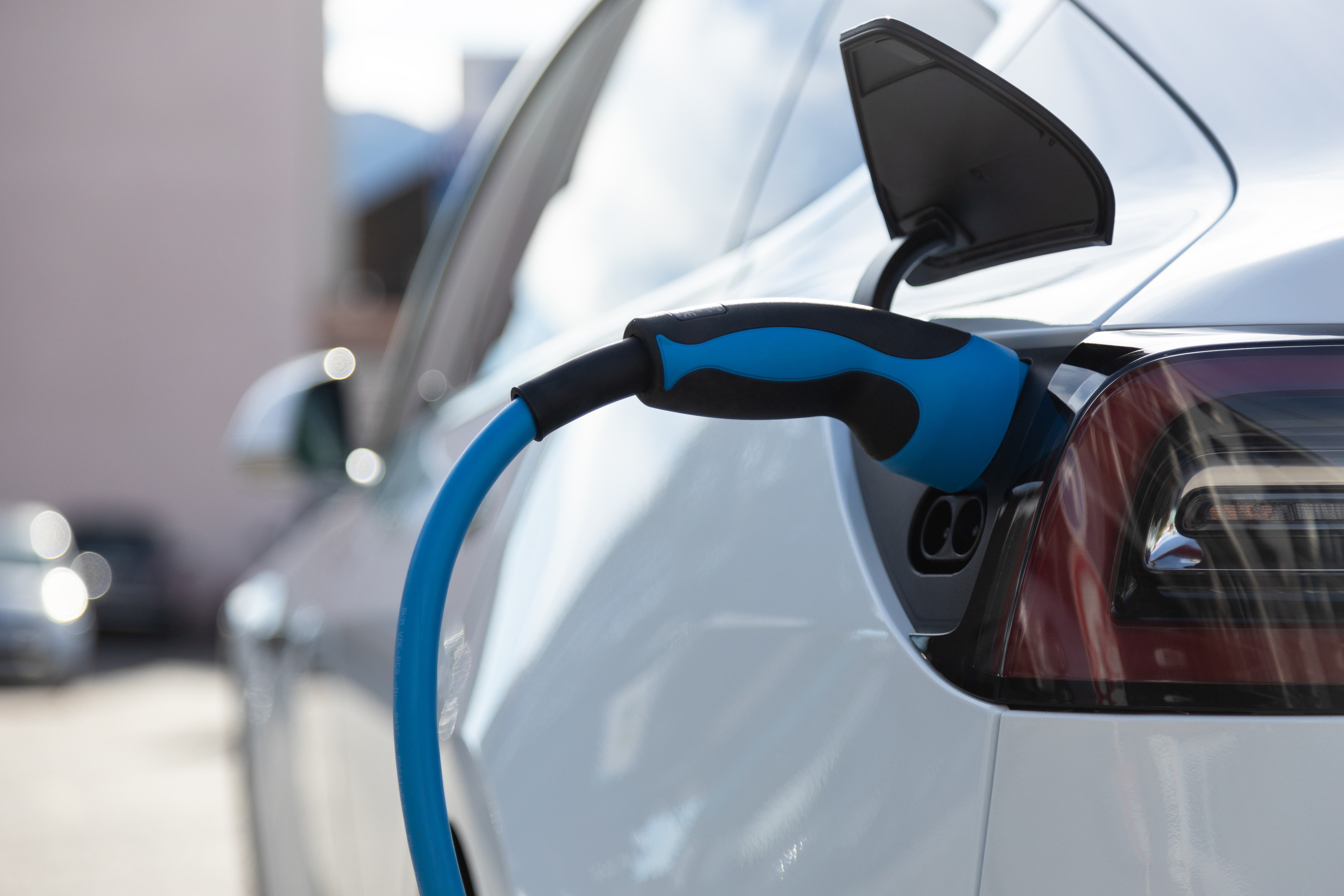
Charging and refuelling infrastructure for logistics networks

Energy infrastructure is becoming a strategic control point in logistics. Companies need to understand how to participate in depot and corridor infrastructure. A dedicated page should assess economics, partnerships, and strategic positioning.

Urban logistics and last-mile platforms

Urban delivery remains one of the most dynamic parts of the sector. It combines service innovation, sustainability, and operational complexity. A deep dive should explore platform models, economics, and differentiation strategies.

Reverse logistics platforms

Reverse flows are expanding rapidly due to e-commerce and circularity. This creates new service layers beyond forward transport. A deeper page should analyse business models, demand drivers, and value capture.
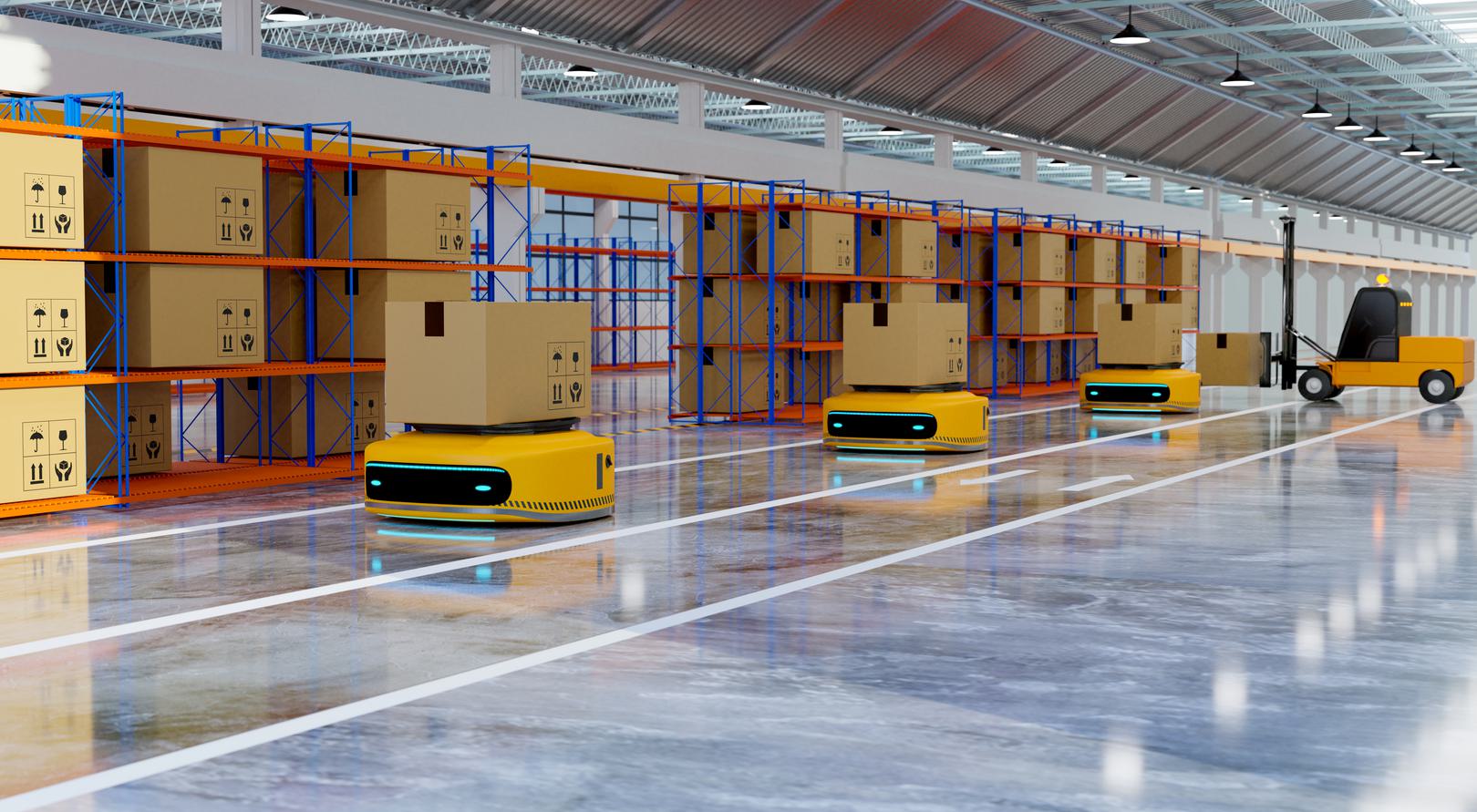
Intelligent warehousing and fulfilment automation

Automation is essential for scale and reliability. It supports both operational performance and premium service models. A deep dive should examine technology choices, operating models, and investment logic.

Executive FAQ

What are the biggest innovation opportunities in transport and logistics?

The most commercially significant opportunities are emerging where logistics shifts from execution to service orchestration. This includes zero-emission fleet transition services, charging and refuelling infrastructure, end-to-end visibility platforms, AI-driven optimisation, urban and last-mile logistics models, and reverse logistics systems. These areas combine strong demand, regulatory pressure, and the ability to create differentiated, higher-margin offerings.

Why is the industry entering a new innovation cycle now?

Because multiple structural forces are converging at the same time. Customer expectations around visibility, flexibility, and sustainability are rising, while regulation is reshaping fleet and network economics. At the same time, digital technologies such as AI, platforms, and automation are enabling new service models. Together, these shifts are changing how value is created and captured across logistics ecosystems.

Why does product and service innovation matter more than operational optimisation?

Operational optimisation improves cost, reliability, and utilisation, but it rarely creates new revenue streams or strategic differentiation on its own. Product and service innovation, such as visibility platforms or decarbonisation services, enables companies to capture new value, deepen customer relationships, and move away from commoditised transport services. In this sector, that distinction is increasingly critical for long-term competitiveness.

Where is growth emerging most clearly?

Growth is most visible in service-led and platform-enabled areas, particularly those linked to sustainability and digitalisation. This includes decarbonised transport services, real-time visibility and analytics, integrated logistics orchestration, and urban delivery solutions. These spaces are expanding faster than traditional transport segments because they align with evolving customer needs and regulatory expectations.

How should executives interpret decarbonisation opportunities?

Decarbonisation should be seen as both a compliance requirement and a growth opportunity. Beyond fleet electrification, it creates opportunities in infrastructure, energy services, network redesign, and carbon-transparent logistics offerings. Companies that treat decarbonisation strategically can build differentiated services and stronger customer value propositions.

Is AI mainly an internal efficiency tool in logistics?

AI is an internal efficiency lever, but its strategic value increasingly comes from how it enhances customer-facing services. AI enables predictive routing, dynamic planning, disruption management, and real-time decision-making, which can be embedded into premium logistics offerings. The most advanced players are using AI not just to reduce cost, but to improve service quality and create new value propositions.

Which opportunities are most actionable in the near term?

Opportunities such as visibility platforms, AI-driven optimisation, fulfilment automation, and early-stage fleet transition services are already commercially viable and scalable. They offer clear use cases, measurable returns, and relatively well-understood implementation pathways, making them strong candidates for immediate investment and deployment.

What opportunity areas are promising but less commercially mature?

Some areas, such as autonomous freight systems, certain alternative-fuel pathways, and highly integrated multimodal platforms, remain strategically important but less mature. These require careful monitoring, selective experimentation, and partnership-driven approaches rather than large-scale immediate investment.

How is the competitive landscape evolving?

Competition is expanding beyond traditional carriers and logistics providers. Technology platforms, digital freight brokers, fulfilment specialists, infrastructure players, and even energy companies are entering the space. This is shifting competition towards control of data, customer interfaces, and ecosystem positioning, rather than purely physical network scale.

How should companies prioritise across such a broad opportunity set?

Prioritisation should focus on where three factors align: strong market demand, existing or developable capabilities, and a clear path to commercialisation. Companies should distinguish between near-term growth opportunities, mid-term repositioning bets, and longer-term options, and avoid spreading investment too thinly across too many areas.

What is the difference between core and adjacent opportunities in this industry?

Core opportunities extend existing logistics services, such as improving transport execution or adding visibility layers. Adjacent opportunities move companies into new roles within the value chain, such as energy infrastructure, platform-based services, or circular logistics systems. Both are important, but adjacent opportunities often require new partnerships, capabilities, and business models.

How should companies approach partnerships and ecosystems?

Many of the most important opportunities cannot be captured alone. Companies need to actively build partnerships with technology providers, infrastructure players, and ecosystem participants. The key is to be selective, focusing on partnerships that provide access to critical capabilities or positions in emerging value chains, rather than pursuing broad and unfocused collaboration.

What role does sustainability play beyond compliance?

Sustainability is becoming a source of competitive differentiation. Customers increasingly expect emissions transparency, lower-carbon options, and support for their own sustainability goals. Companies that embed sustainability into their service offerings can strengthen customer relationships, access premium segments, and future-proof their portfolio.

What capabilities will matter most in the next phase of the industry?

Capabilities in data, AI, platform development, network design, sustainability integration, and partnership management will become increasingly important. Operational excellence will remain essential, but it will need to be complemented by stronger digital, commercial, and ecosystem capabilities to support new service models.

What should companies do first after reviewing this opportunity landscape?

The first step is to identify which opportunity spaces align with the company’s assets, network, customer base, and strategic ambition. From there, companies should prioritise a small number of high-impact areas for deeper analysis, pilot development, and capability building, ensuring that early moves are focused, commercially grounded, and scalable.

How CamIn helps companies navigate this landscape

Transport and logistics companies do not need broader commentary on disruption, sustainability, or digital transformation. They need sharper decisions about where future growth is emerging, which opportunity spaces justify investment, what capabilities need to be built, and how to turn operational change into commercially viable offers. CamIn supports that work across the full opportunity cycle, from early opportunity identification through to commercialisation and capability design.

Emerging technology landscaping, horizon scanning, and due diligence

CamIn helps companies understand where technologies such as logistics visibility platforms, AI-driven optimisation, fulfilment automation, depot charging systems, and circular logistics platforms are moving from experimentation to strategic relevance, combining horizon scanning, ecosystem mapping, and commercial interpretation to identify which technologies matter, when to act, and where investment or partnership decisions become critical.

Scouting and due diligence

CamIn supports the identification and evaluation of startups, software providers, infrastructure players, and ecosystem partners, focusing not just on activity but on strategic fit, commercial credibility, and alignment with the company’s network, service model, and long-term positioning, enabling better decisions on partnerships, pilots, and potential acquisitions.

Innovation-enabled business opportunity identification

CamIn translates market and technology shifts into clearly defined growth opportunities such as zero-emission fleet services, visibility platforms, AI-enabled orchestration, and reverse logistics models, helping leadership teams determine which opportunities should be treated as core extensions, service-layer enhancements, or adjacent growth plays.

White space and diversification strategy

CamIn supports companies in identifying and evaluating expansion pathways into adjacent opportunity spaces such as energy infrastructure, digital platforms, or circular logistics, assessing where existing capabilities and customer relationships create a credible right to play while avoiding unfocused diversification.

Product and service innovation strategy

CamIn helps design scalable, differentiated service offerings such as premium visibility services, logistics control towers, carbon-transparent logistics, and urban delivery models, ensuring that innovation translates into offerings customers will pay for and that can be operationally delivered at scale.

Commercialisation strategy

CamIn supports the transition from concept to market by shaping value propositions, go-to-market strategies, partner models, and scaling approaches, particularly in complex opportunity areas such as infrastructure-linked services, platform-based models, and AI-enabled logistics services.

Digital strategy for industrial assets and technology-enabled ROI

CamIn helps define where digital investments across logistics networks, fulfilment centres, and operational assets generate measurable business value, linking AI, automation, and data platforms to outcomes such as improved margins, service reliability, and new revenue streams.

Strategic roadmap and capability blueprint support

CamIn translates prioritised opportunities into actionable roadmaps and capability blueprints, helping companies sequence investments, define build-partner-buy decisions, and align organisational capabilities with future growth platforms in a more digital, service-led, and lower-carbon logistics environment.

CamIn helps transport and logistics companies build a clearer view of where to play, how to win, and how to evolve their portfolio and capabilities, connecting market change, technology evolution, and commercial strategy into a focused set of actionable decisions that support long-term competitiveness.

Companies that act early can build stronger positions in digital logistics, decarbonised transport, and circular supply chains.

Companies that wait risk competing in increasingly commoditised markets.