
.png)


Critical Minerals, Decarbonisation, Digital Mining, and Circular Value Creation
The mining industry is entering a new innovation opportunity cycle. The central issue is no longer only how to extract resources more efficiently, lower unit costs, or extend asset life. The more strategic question is where mining companies can create new value as electrification, energy transition investment, resource security concerns, circularity pressures, and digital capability shifts reshape the industry.
For senior decision-makers, the most important shift is this: in mining, portfolio positioning and value chain participation are becoming stronger long-term value drivers than operational optimisation alone. Operational excellence still matters. Productivity, safety, automation, processing efficiency, and mine-to-market coordination remain essential because they improve margins and resilience. But the strongest commercial upside is increasingly tied to where companies are exposed in critical minerals, whether they move into downstream processing, how they participate in battery and infrastructure ecosystems, and whether they can create value from sustainability and circularity rather than treating those areas only as compliance obligations.
That changes how the opportunity landscape should be read. The priority is not simply to run the existing portfolio better. It is to determine which opportunity spaces can create new revenue pools, improve strategic relevance in changing supply chains, and reposition the business for the next decade.

Demand is shifting towards minerals and materials linked to electrification, batteries, grids, renewable energy, and industrial resilience

Regulation is becoming more strategic around emissions, water use, land impact, traceability, domestic processing, and responsible sourcing

Digital tools are improving exploration, processing, remote operations, and asset optimisation

Customers and downstream partners increasingly want secure, traceable, lower-carbon supply

Infrastructure, energy, and industrial ecosystems are becoming more tightly connected to mining strategy
.jpg)
Description
Participation in battery-related materials, precursor products, or linked processing ecosystems
Strategic relevance
Positions mining companies closer to high-growth EV and energy-storage ecosystems rather than remaining purely upstream suppliers
Commercial relevance
Commercial upside is strongest where material quality, partnerships, and downstream integration create differentiated access to growing demand
Time horizon
2026 to 2035
Description
Using solar, wind, storage, and hybrid energy systems to power mining assets
Strategic relevance
Important for decarbonisation, energy resilience, and reducing exposure to volatile fossil-based power in remote operations
Commercial relevance
Can lower long-term operating costs, improve project economics, and strengthen investor and customer perception of asset quality
Time horizon
2025 to 2032
Description
Expanding exposure to high-demand minerals such as lithium, copper, nickel, graphite, and rare earths
Strategic relevance
Repositions the portfolio towards the strongest structural demand pools linked to electrification, storage, and grid build-out
Commercial relevance
Offers some of the clearest growth potential in mining where supply constraints and strategic demand can support pricing and capital interest
Time horizon
2025 to 2035
Description
Moving beyond extraction into refining, concentration, and intermediate mineral processing
Strategic relevance
Strengthens control over value chains and reduces dependence on external processors in strategically sensitive markets
Commercial relevance
Can improve margin capture, supply-chain influence, and eligibility for policy-backed investment or customer partnerships
Time horizon
2026 to 2034
Description
Applying hydrogen to heavy equipment, haulage, or selected processing environments
Strategic relevance
Strategically relevant as a long-horizon decarbonisation pathway for high-energy operations that are difficult to electrify fully
Commercial relevance
Commercial value remains emerging, but could become meaningful where scale, policy support, and infrastructure improve the economics
Time horizon
2028 to 2038
Description
Digital systems that track material origin, environmental performance, and chain-of-custody data
Strategic relevance
Increasingly necessary for participation in premium and regulated supply chains where provenance and sustainability claims matter
Commercial relevance
Supports market access, customer trust, and in some cases pricing advantage for traceable and lower-carbon material streams
Time horizon
2025 to 2030
Description
Recovering metals and critical materials from scrap, e-waste, and industrial recycling streams
Strategic relevance
Diversifies supply sources and expands the company’s role in circular material ecosystems beyond primary extraction
Commercial relevance
Commercial attractiveness is rising where recovery economics improve and downstream buyers seek more resilient and lower-impact supply
Time horizon
2026 to 2033
Description
Technologies that reduce land disturbance, waste intensity, water use, or emissions associated with extraction
Strategic relevance
Supports license to operate, regulatory positioning, and differentiation in jurisdictions with tighter environmental expectations
Commercial relevance
Helps maintain access to projects and capital while potentially lowering long-run remediation and compliance costs
Time horizon
2025 to 2032
Description
Closed-loop water use, advanced treatment, and recovery systems for mine sites and processing assets
Strategic relevance
Strategically important where water access, permitting, and social acceptance increasingly shape project viability
Commercial relevance
Reduces operating risk and long-term cost exposure, especially in water-stressed regions where disruptions can materially affect output
Time horizon
2025 to 2030
Description
Recovering valuable minerals from existing tailings, legacy waste, and low-grade stockpiles
Strategic relevance
Converts an environmental and liability issue into a potential source of resource extension and circular value creation
Commercial relevance
Creates additional revenue from existing assets while improving closure economics and reducing long-term liability exposure
Time horizon
2025 to 2032
Description
Virtual models of mines, plants, and equipment used for simulation, planning, and predictive management
Strategic relevance
Enables better operating decisions, scenario planning, and tighter coordination between mine plans and processing realities
Commercial relevance
Tangible payoff comes through reduced downtime, better recovery, more accurate planning, and improved maintenance effectiveness
Time horizon
2025 to 2030
Description
Advanced analytics and AI used to improve mineral recovery, throughput, and processing efficiency
Strategic relevance
Important because incremental yield gains can materially improve economics across high-volume operations
Commercial relevance
Commercial value is often immediate through better recoveries, lower waste, reduced energy intensity, and stronger margin performance
Time horizon
2025 to 2029
Description
Centralised command and analytics centres managing distributed mines, fleets, and plants
Strategic relevance
Strategically relevant where remote workforce models, productivity, and standardisation across multiple assets matter
Commercial relevance
Can reduce operating cost, improve control quality, and make skilled labour more scalable across a wider asset base
Time horizon
2025 to 2030
Description
Autonomous trucks, drills, loaders, and operating systems for continuous or semi-continuous mining
Strategic relevance
Important for safety, productivity, labour flexibility, and performance consistency in large-scale operations
Commercial relevance
Delivers direct commercial value through lower labour intensity, higher uptime, better asset utilisation, and safer production environments
Time horizon
2025 to 2032
Description
AI and machine learning tools used to identify targets, model ore bodies, and reduce exploration uncertainty
Strategic relevance
Strategically relevant because discovery quality and speed remain core determinants of long-term mining value creation
Commercial relevance
High potential ROI through better targeting, lower exploration cost per viable find, and improved capital allocation in exploration portfolios
Time horizon
2025 to 2030
Description
End-to-end digital tracking of materials, shipments, inventory, and logistics flows
Strategic relevance
Supports resilience, traceability, and better coordination across increasingly complex customer and export networks
Commercial relevance
Improves service reliability, customer integration, inventory control, and risk response where logistics disruption affects commercial performance
Time horizon
2025 to 2030
Description
Flexible and scalable processing facilities designed for faster deployment or phased growth
Strategic relevance
Strategically relevant for projects needing capital discipline, phased expansion, or adaptation to smaller deposits
Commercial relevance
Can reduce upfront capex, shorten deployment timelines, and improve economics in regions where traditional scale models are less attractive
Time horizon
2026 to 2033
Description
Battery-electric or hybrid haul trucks, loaders, and support equipment for lower-emission operations
Strategic relevance
Connects operational decarbonisation with fleet modernisation and future site design choices
Commercial relevance
Growing commercial relevance as equipment maturity improves and operators seek lower fuel costs, ventilation savings, and emissions reduction
Time horizon
2025 to 2032
Description
Integrated optimisation from extraction through hauling, processing, logistics, and delivery
Strategic relevance
Strengthens decision-making across the full operating chain rather than treating mine, plant, and logistics as separate silos
Commercial relevance
Improves margins, working capital, and responsiveness to market conditions by aligning production choices with downstream realities
Time horizon
2025 to 2030
Description
Rail, ports, corridors, and logistics systems tied to mineral production and export
Strategic relevance
Strategically relevant where infrastructure access determines competitiveness, scalability, and market reach
Commercial relevance
Can improve operating economics while opening long-cycle partnership and co-investment opportunities linked to regional development
Time horizon
2025 to 2030
Description
Regional clusters that connect mineral extraction to processing, manufacturing, and infrastructure development
Strategic relevance
Strategically important for companies seeking long-term participation in value-added industrial ecosystems
Commercial relevance
Offers diversification potential and stronger policy alignment, though returns depend on execution, partnerships, and regional demand formation
Time horizon
2027 to 2038
Description
Co-located mining, processing, power, water, and logistics systems designed as connected industrial hubs
Strategic relevance
Moves companies from isolated asset thinking towards ecosystem positioning with stronger regional leverage
Commercial relevance
Commercial relevance comes through shared infrastructure economics, partner attraction, and greater ability to support downstream expansion
Time horizon
2026 to 2034
Description
Development of power generation, storage, transmission, and grid-linked systems serving mining areas
Strategic relevance
Important because remote and energy-intensive assets increasingly depend on resilient local energy ecosystems
Commercial relevance
Creates opportunities for cost reduction, partnership-led infrastructure plays, and in some cases new revenue or shared-asset models
Time horizon
2025 to 2032
The next phase of growth in chemicals and materials is being shaped by a different mix of market pressures than the industry faced in prior cycles. In the past, advantage often came from scale, integration, feedstock position, and operational excellence. Those factors still matter, but they are no longer enough.
Demand is changing at the application level. Customers in packaging, automotive, electronics, construction, agriculture, consumer products, and energy systems increasingly need materials that combine performance with lower emissions, better recyclability, safer chemistry, and supply chain resilience. This is creating stronger pull for sustainable materials, new functional chemistries, and application-engineered solutions.
Regulation is also becoming more strategic. Circularity requirements, extended producer responsibility, carbon policies, industrial decarbonisation targets, and sustainable procurement standards are reshaping which materials win in the market. In several categories, compliance is no longer just a cost issue. It is becoming a source of product differentiation and market access.
Competitive dynamics are shifting as well. New entrants, specialist materials companies, climate-tech ventures, and biotechnology players are moving into spaces once defined by traditional chemistry alone. Downstream customers are also becoming more active in shaping material specifications, co-development models, and ecosystem partnerships.
In this environment, product and portfolio innovation are central to growth because they determine whether a company participates in emerging value pools or gets trapped in increasingly pressured legacy segments.
The strongest opportunities now sit in areas such as circular polymers, bio-based chemicals, energy storage materials, advanced construction materials, precision agriculture inputs, and AI-enabled materials discovery. These are not generic trends. They are specific opportunity spaces where technology shifts, market demand, and regulatory pressure intersect.
Which opportunity spaces fit the existing asset and capability base
Where new growth is likely to come from
Which markets justify deeper partnership or acquisition activity
Where operational transformation should support, rather than substitute for, strategic repositioning
Companies that remain overexposed to conventional product segments without credible pathways into circularity, decarbonised production, or advanced materials may face margin pressure, weaker customer relevance, and lower influence in emerging ecosystems.
In some cases, they may also face asset risk as carbon costs, energy economics, and feedstock expectations change.The industry is not moving toward one single future state. It is branching into multiple innovation pathways at once. That makes an opportunity landscape approach especially useful.

The six transformation areas below provide the primary structure for understanding where opportunity is building across the chemicals and materials sector.
Some of these areas are direct growth engines. Others are enabling layers that improve competitiveness, accelerate innovation, or support decarbonisation. The commercial logic is different in each case. Sustainability and circularity, clean energy, infrastructure materials, and food systems tend to be more market-facing and growth-oriented. AI, digital transformation, and smart manufacturing are essential, but are usually stronger as capability multipliers unless they unlock differentiated product platforms.
These areas should not be read as equal in immediate commercial weight. For most companies in chemicals and materials, the first four are where portfolio growth and market repositioning are more visible. The final two become especially important when they accelerate R&D output, enable lower-carbon production, or improve the economics of scaling new productlines.
Not every opportunity deserves the same level of immediate attention. Some are strategically important but still maturing. Others already sit at the intersection of market pull, regulatory momentum, and realistic capability leverage. For many mining companies, the first priority should be to focus on opportunity spaces that combine portfolio relevance with a credible path to commercial traction.

Critical minerals should be one of the first areas many mining companies investigate because they sit at the centre of electrification demand, industrial policy, and supply-chain restructuring. This is not simply a commodity allocation issue. It is a long-term portfolio relevance issue. A dedicated Critical Minerals Strategy page should examine which minerals offer the strongest structural upside, where supply gaps are most likely to persist, and how companies should think about geographic positioning, partnerships, and capital discipline.
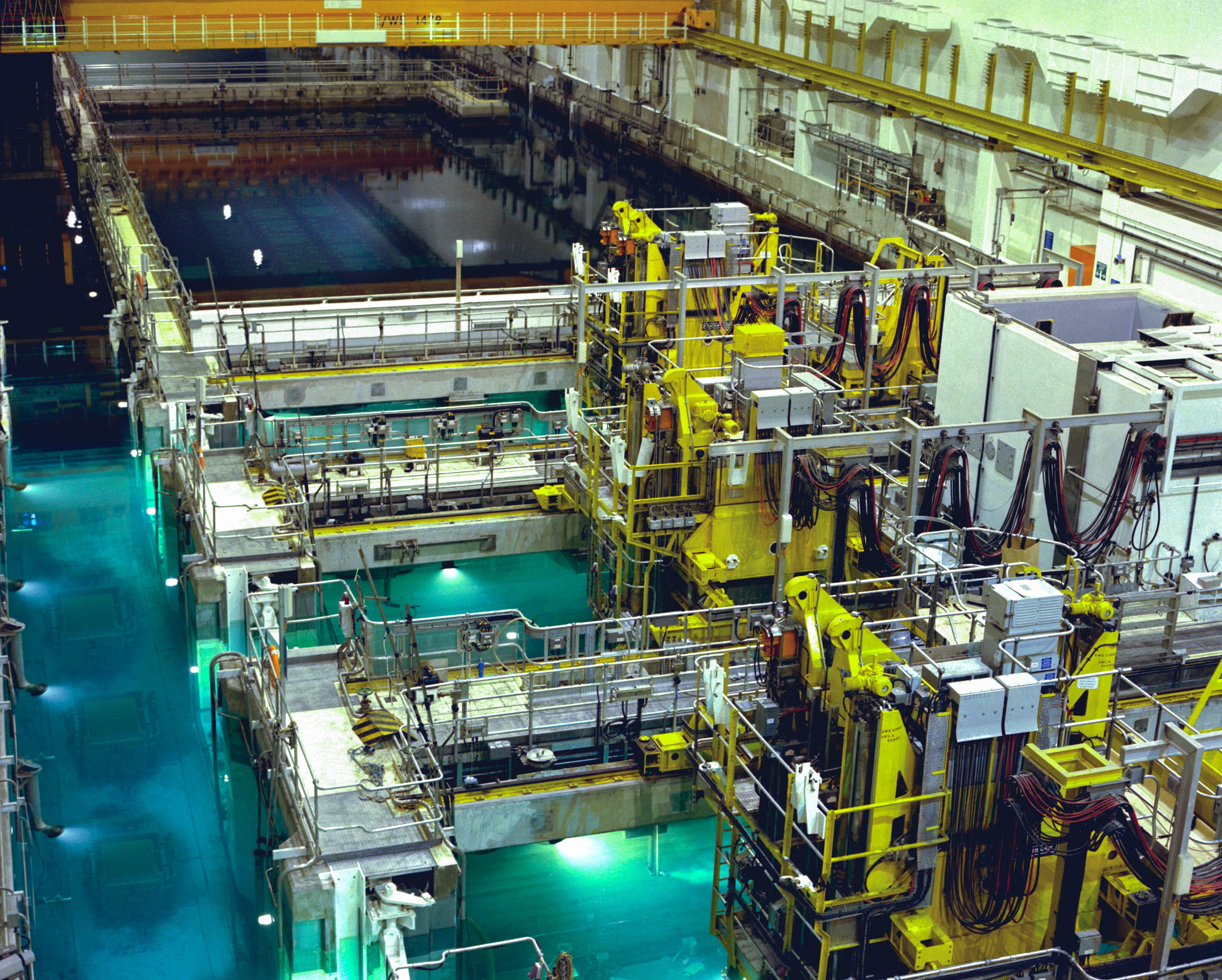
Downstream processing deserves early attention because it can shift mining companies from upstream suppliers to more influential participants in strategic value chains. It affects margin capture, policy alignment, customer relationships, and resilience against external processing bottlenecks. A focused Downstream Mineral Processing Strategy page should explore refining economics, policy incentives, partnership models, capability gaps, and the circumstances under which integration creates real advantage.
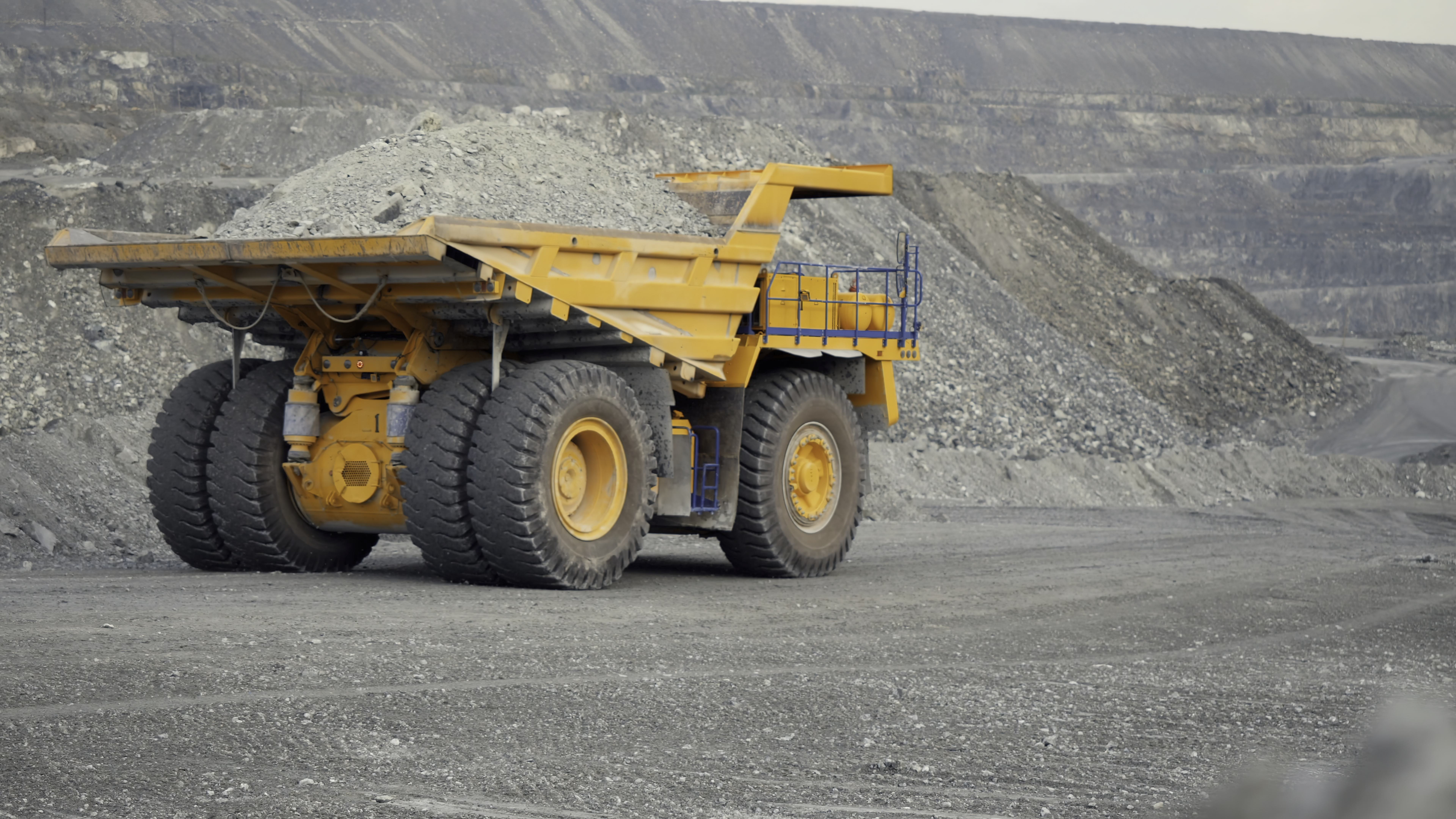
Autonomous mining systems should be prioritised because they are among the most commercially actionable digital opportunities in the sector. Unlike some emerging digital themes, autonomy already has a clearer operating case in safety, labour productivity, uptime, and fleet performance. A deeper Autonomous Mining Systems page should cover deployment pathways, asset classes, operating model implications, vendor ecosystems, and how to capture value beyond isolated pilot programmes.

Tailings and waste reprocessing deserve early investigation because they combine circularity, resource recovery, and liability reduction in one strategic space. For many operators, this is one of the few opportunities that can simultaneously support revenue generation, ESG performance, and improved asset stewardship. A dedicated Circular Mining and Tailings Reprocessing page should assess recovery technologies, economics by mineral class, site prioritisation criteria, and partnership options.

Battery materials integration is a priority where mining companies want greater exposure to EV and energy-storage growth without relying only on raw material sales. The strategic logic is not that every miner should move deep into battery manufacturing. It is that selected companies may capture stronger value through precursor production, refining, or targeted ecosystem roles. A focused Battery Value Chain Strategy page should examine where mining capabilities translate credibly into downstream participation and where collabouration is more attractive than direct integration.
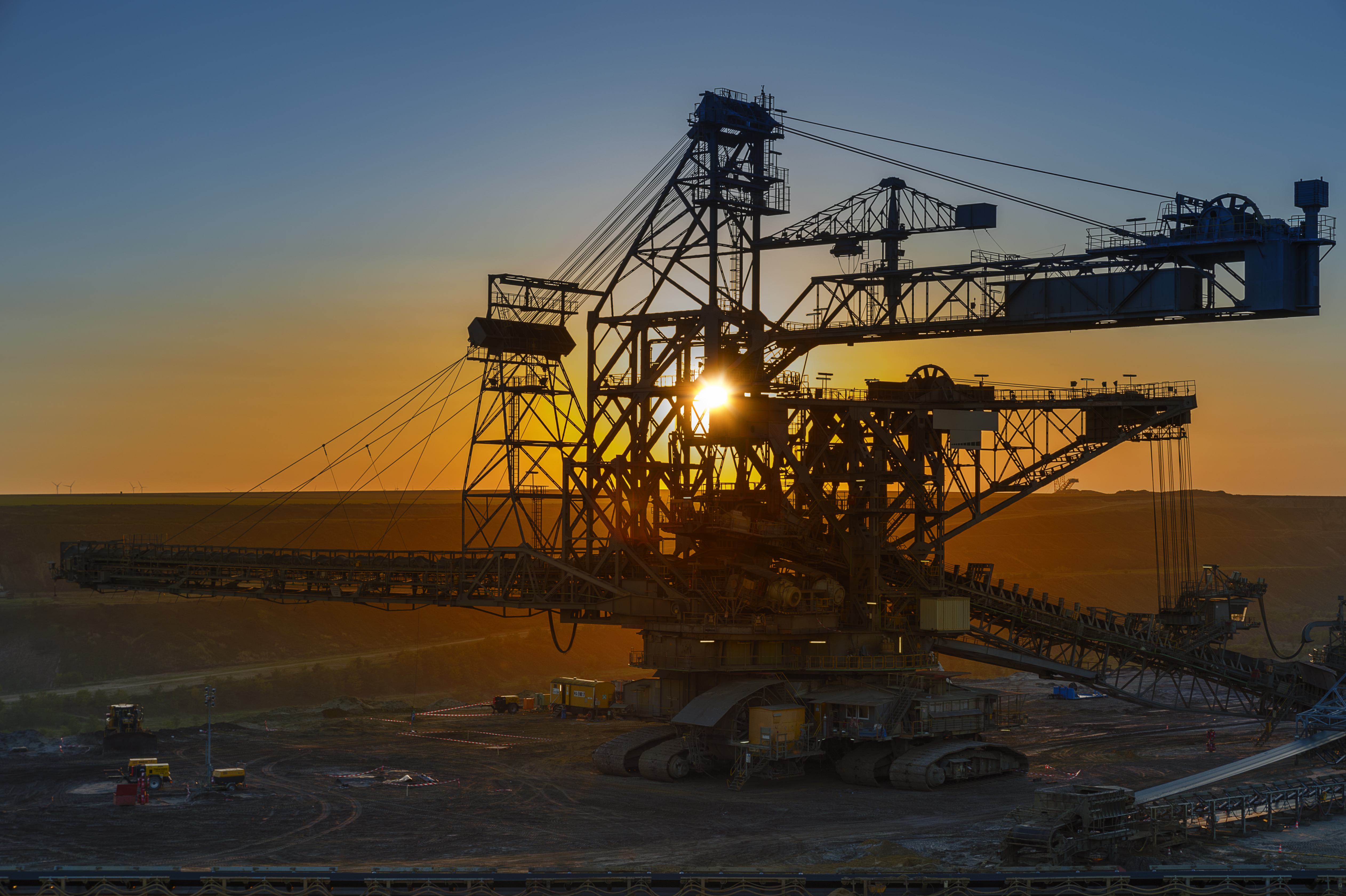
Electrified mining equipment deserves focused exploration because it sits at the intersection of operating cost, emissions reduction, ventilation savings, and future mine design. It is one of the clearest examples of operational transformation that also supports broader strategic positioning in lower-carbon mining. A deeper Mining Electrification Strategy page should cover fleet economics, infrastructure requirements, deployment sequencing, and the relationship between electrification, autonomy, and site-level energy systems.

Mining companies do not need more generic trend commentary. They need clearer decisions about where to play, what to build, who to partner with, and how to turn strategic possibility into commercial value. CamIn supports that work across the full opportunity cycle.
For mining companies, the challenge is not simply to modernise operations. It is to build a sharper view of which opportunities matter most, which capabilities need to be strengthened, and how the portfolio should evolve as energy systems, circularity, and strategic supply chains reshape the industry. That is where CamIn can help.


