
.png)


Growth, Decarbonisation, Digital Twins, Circularity, and Smart Infrastructure
Infrastructure and engineering are moving into a new innovation cycle. Growth is no longer defined primarily by project volume, asset delivery, or incremental improvements in execution. The more strategic question is where companies can create new value as infrastructure systems become more electrified, resilient, digitally enabled, and sustainability-driven.
For senior decision-makers, the most important shift is this: in infrastructure and engineering, product, service, and business model innovation are becoming stronger drivers of long-term value than project delivery alone. Delivery excellence remains essential. It underpins credibility, margin, and scale. But the strongest commercial upside is increasingly linked to repeatable solution platforms, lifecycle services, digital asset intelligence, and participation in adjacent ecosystems such as energy, mobility, and smart utilities.

Electrification is driving large-scale investment in grids, charging, and energy infrastructure

Climate resilience is reshaping urban infrastructure priorities and public investment

Retrofit demand is expanding as existing assets must be decarbonised and upgraded

Digital technologies are enabling infrastructure to become measurable, optimised, and service-driven

Circularity is influencing materials, procurement, and asset design

Delivery models are under pressure to become more industrialised, predictable, and scalable
.jpg)
Description
Climate-resilient infrastructure for cities and regions
Strategic relevance
Moves firms into large, programme-based infrastructure investment linked to resilience
Commercial relevance
Strong public-sector demand and long-term funding pipelines
Time horizon
2025 to 2035
Description
Connected infrastructure systems with data and monitoring layers
Strategic relevance
Enables lifecycle service roles and operational insight beyond delivery
Commercial relevance
Recurring revenue from monitoring and optimisation services
Time horizon
2026 to 2033
Description
Integrated redevelopment combining resilience and infrastructure
Strategic relevance
Shifts firms into higher-value urban transformation roles
Commercial relevance
Multi-stakeholder projects with long-term commercial scope
Time horizon
2026 to 2035
Description
Digitally enabled water and utility systems
Strategic relevance
Positions firms in utility modernisation and performance-based service models
Commercial relevance
Expanding upgrade cycles in ageing infrastructure systems
Time horizon
2025 to 2032
Description
Infrastructure supporting electrified buildings and urban energy systems
Strategic relevance
Aligns firms with electrification-driven urban infrastructure redesign
Commercial relevance
Growing demand across cities upgrading power and building systems
Time horizon
2025 to 2033
Description
Service-based delivery of energy infrastructure
Strategic relevance
Moves firms towards recurring revenue models
Commercial relevance
Long-term contracts and performance-based revenue
Time horizon
2026 to 2033
Description
Infrastructure for emerging decarbonisation pathways
Strategic relevance
Strategic positioning in industrial and energy transition ecosystems
Commercial relevance
Selective but growing commercial opportunity
Time horizon
2026 to 2035
Description
Upgrading assets to reduce emissions
Strategic relevance
Large installed base creates repeatable service opportunity
Commercial relevance
Strong near-term demand with service-led revenue models
Time horizon
2025 to 2032
Description
Delivery of renewable generation and integration systems
Strategic relevance
Positions firms inside energy-system build-out
Commercial relevance
Sustained multi-year demand across geographies
Time horizon
2025 to 2033
Description
Expansion and reinforcement of power systems
Strategic relevance
Central to electrification and energy transition across sectors
Commercial relevance
One of the largest infrastructure investment areas globally
Time horizon
2025 to 2035
Description
Sustainable sourcing and supply models
Strategic relevance
Shapes access to major projects and compliance requirements
Commercial relevance
Improves market access and supply resilience
Time horizon
2026 to 2033
Description
Lower resource intensity across lifecycle
Strategic relevance
Enhances resilience and sustainability outcomes
Commercial relevance
Supports procurement competitiveness and performance outcomes
Time horizon
2025 to 2032
Description
Repurposing existing assets
Strategic relevance
Reduces cost and carbon versus new build
Commercial relevance
Large and scalable market opportunity
Time horizon
2025 to 2033
Description
Infrastructure designed for future recovery
Strategic relevance
Supports long-term circularity and adaptability
Commercial relevance
Increasing relevance in forward-looking projects
Time horizon
2026 to 2035
Description
Lower-carbon and recycled materials
Strategic relevance
Differentiates bids and aligns with procurement trends
Commercial relevance
Growing demand in sustainable infrastructure projects
Time horizon
2025 to 2032
Description
Integrated lifecycle data systems
Strategic relevance
Enables platform-based infrastructure services
Commercial relevance
Supports ecosystem participation and data monetisation
Time horizon
2026 to 2033
Description
AI-enabled design and modelling
Strategic relevance
Improves engineering speed and productivity
Commercial relevance
Faster project cycles and reduced cost
Time horizon
2025 to 2030
Description
Sensor-based asset monitoring
Strategic relevance
Enables performance-based infrastructure services
Commercial relevance
Recurring monitoring and maintenance revenue
Time horizon
2025 to 2031
Description
AI tools for planning and execution
Strategic relevance
Improves delivery certainty and margin performance
Commercial relevance
Immediate cost and productivity impact
Time horizon
2025 to 2029
Description
Digital models across lifecycle
Strategic relevance
Connects delivery to long-term service value
Commercial relevance
Enables recurring revenue and stronger client relationships
Time horizon
2025 to 2032
Description
Integrated transport infrastructure
Strategic relevance
Supports system-level urban mobility transformation
Commercial relevance
Higher-value integrated infrastructure roles
Time horizon
2026 to 2034
Description
Infrastructure for future mobility systems
Strategic relevance
Long-term positioning in transport ecosystems
Commercial relevance
Selective near-term demand with long-term upside
Time horizon
2028 to 2040
Description
Infrastructure for freight and last-mile systems
Strategic relevance
Aligns with logistics growth and electrification
Commercial relevance
High demand from e-commerce and urban logistics
Time horizon
2025 to 2030
Description
Digital transport optimisation
Strategic relevance
Enables system-level transport improvements
Commercial relevance
Growing demand in urban and national systems
Time horizon
2025 to 2032
Description
Charging networks and systems
Strategic relevance
Connects energy and mobility ecosystems
Commercial relevance
Strong near-term growth and service potential
Time horizon
2025 to 2032
Description
Integrated carbon and cost optimisation
Strategic relevance
Aligns delivery with sustainability requirements
Commercial relevance
Improves competitiveness in tenders
Time horizon
2026 to 2032
Description
Digital coordination of project supply
Strategic relevance
Reduces delivery risk and cost variability
Commercial relevance
Improves margin and schedule reliability
Time horizon
2025 to 2030
Description
Data-driven maintenance services
Strategic relevance
Supports lifecycle service models
Commercial relevance
Recurring revenue from asset operations
Time horizon
2025 to 2032
Description
Digitally enabled site operations
Strategic relevance
Improves execution reliability and safety
Commercial relevance
Immediate operational value in large projects
Time horizon
2025 to 2029
Description
Prefabricated delivery models
Strategic relevance
Enables scalable and repeatable delivery
Commercial relevance
Improved margins and faster project timelines
Time horizon
2025 to 2031
The infrastructure and engineering sector is being reshaped by a different mix of drivers than in previous cycles. Historically, growth was tied closely to capital investment cycles, large public works, and private-sector expansion. Today, that foundation still exists, but it is being supplemented by new demand categories.
Infrastructure demand is increasingly driven by:
Clients are no longer only commissioning assets. They are seeking outcomes such as improved resilience, reduced emissions, better operational visibility, and stronger lifecycle performance.
The installed base of infrastructure is vast, and much of it is underperforming against modern expectations for efficiency, carbon performance, and resilience. This creates a structural shift from new-build dominance to a mix of retrofit and upgrade programmes, performance improvement and monitoring, lifecycle services and optimisation, and integrated infrastructure systems rather than isolated assets.
At the same time, decarbonisation is reshaping which projects are funded, how they are designed, and how they are evaluated. Carbon performance is increasingly influencing procurement, financing, and long-term asset viability.
In this environment, product and portfolio innovation determine whether a company participates in emerging value pools. The strongest opportunities are not generic. They are specific, commercially grounded spaces such as:
These are not just extensions of project work. They represent shifts towards repeatable solution models, service-based revenue streams, ecosystem participation, and stronger strategic control. Companies that rely only on traditional delivery risk remaining exposed to lower-margin, less differentiated segments while value moves elsewhere.

The six transformation areas below provide the primary structure for understanding where opportunity is building across infrastructure and engineering.
Some areas are direct growth engines. Others are enabling layers that improve competitiveness and scale. Smart Infrastructure, Clean Energy, and Future Mobility tend to be more market-facing and growth-oriented. Sustainability and circularity increasingly influence both growth and compliance. AI and Smart Operations are essential, but often strongest as capability multipliers unless they enable client-facing services.
These areas should not be seen as equal in immediate impact. For most companies, the first three define where portfolio growth is most visible. The remaining areas become critical when they enable scale, improve delivery, or unlock new service models.
Not every opportunity deserves the same level of immediate attention. Some are strategically important but still maturing. Others already combine strong demand, commercial logic, and capability relevance. The priority should be to focus on opportunities that align market demand with realistic delivery capability and a path to scalable value.
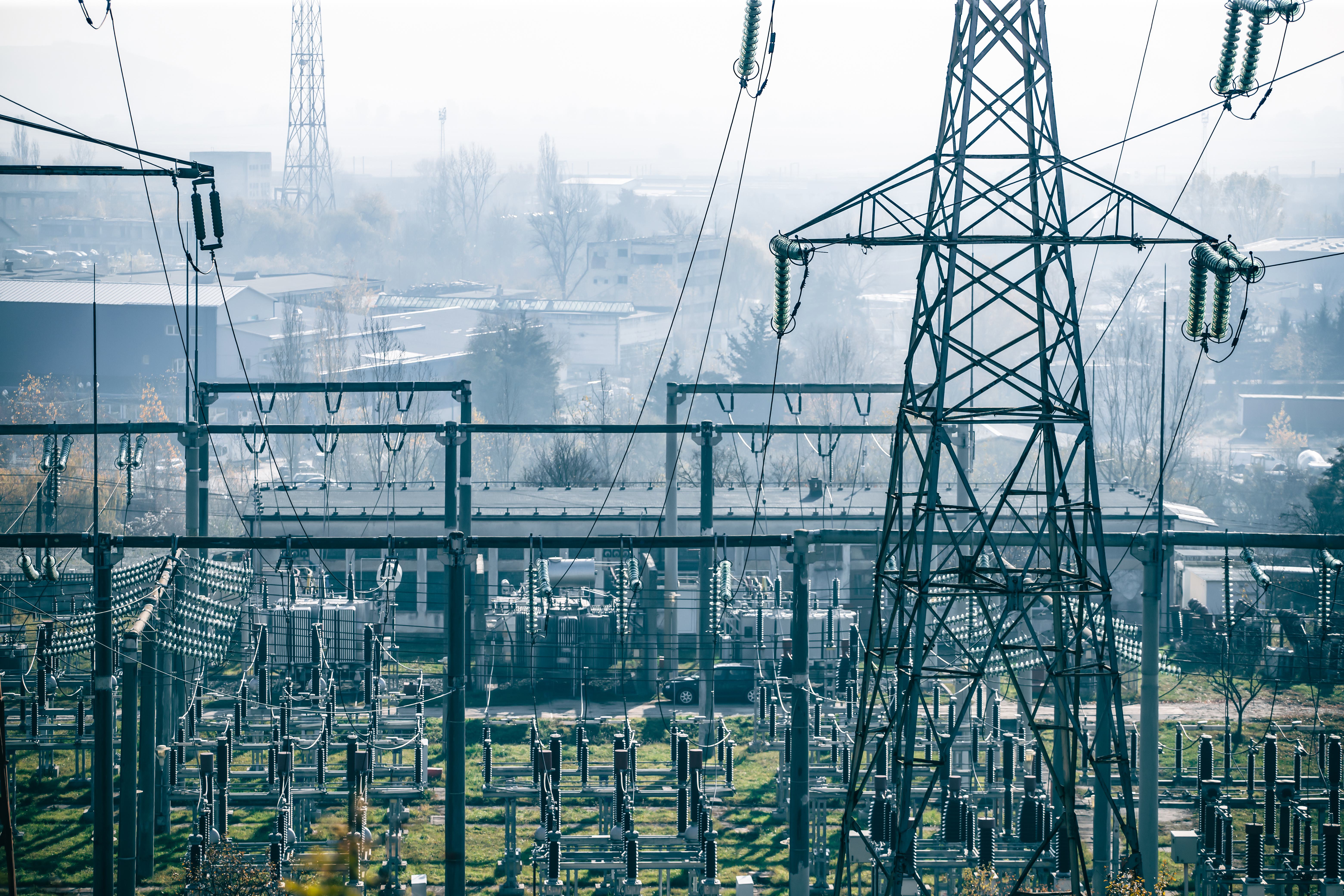
This is one of the most significant growth areas because electrification depends on grid expansion and flexibility. It offers large-scale demand and strong relevance across energy, transport, and urban systems. A dedicated page on grid modernisation should explore systems integration, digital layers, and long-term service opportunities.

Retrofit provides a large, near-term opportunity with repeatable service models. It connects sustainability pressure with immediate commercial demand. A deeper page should focus on retrofit models, delivery pathways, and performance-based contracts.

Digital twins are a key bridge from project delivery to lifecycle value. They enable monitoring, optimisation, and performance contracts. A focused page should explore how to turn digital twins into commercial offerings.
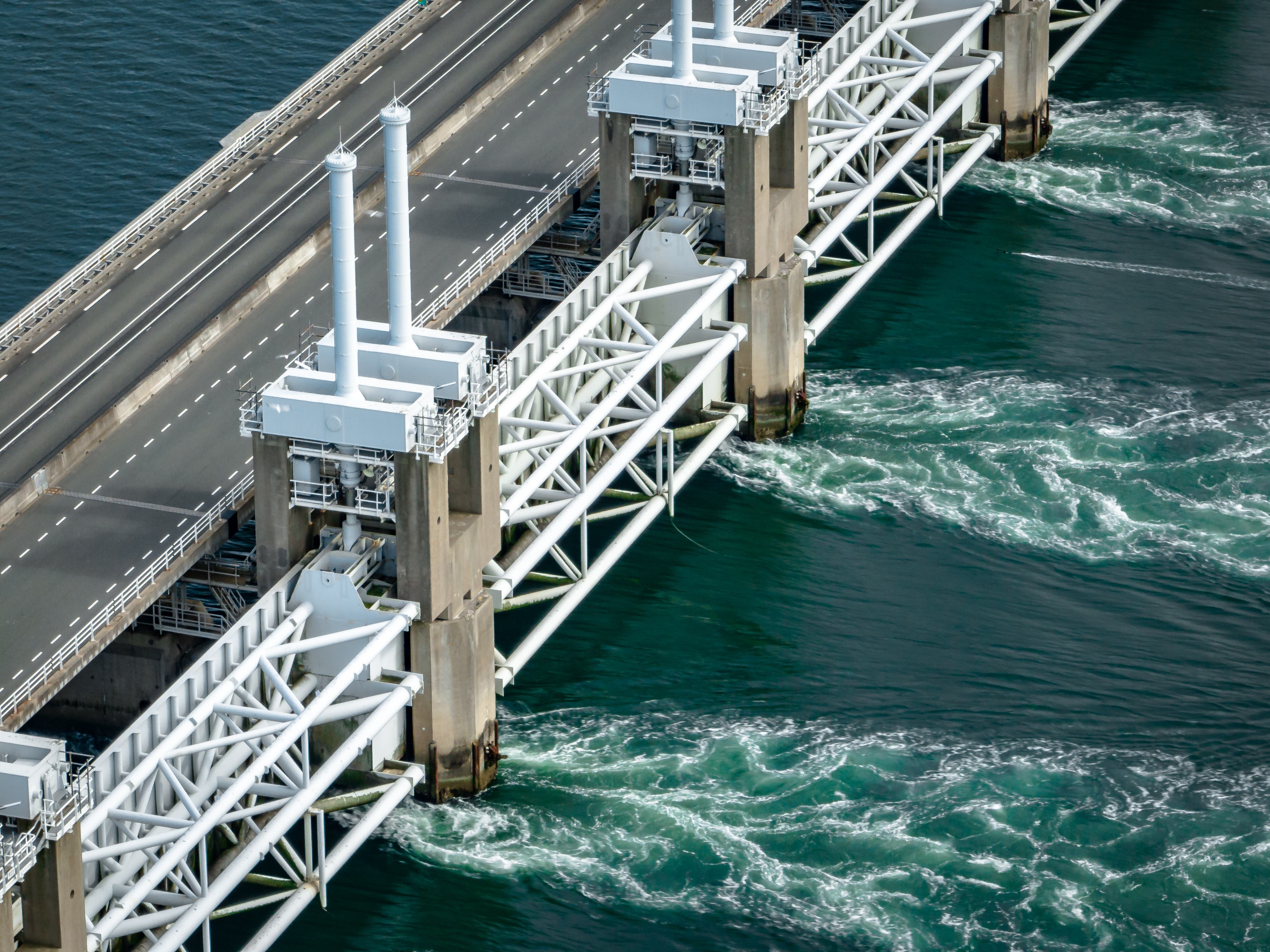
Resilience is becoming a core investment priority. This opportunity combines engineering demand with long-term urban programmes. A deeper page should examine adaptation strategies and integrated infrastructure systems.

Charging infrastructure sits at the intersection of mobility and energy. It offers immediate project demand and future service potential. A dedicated page should explore network models and ecosystem roles.
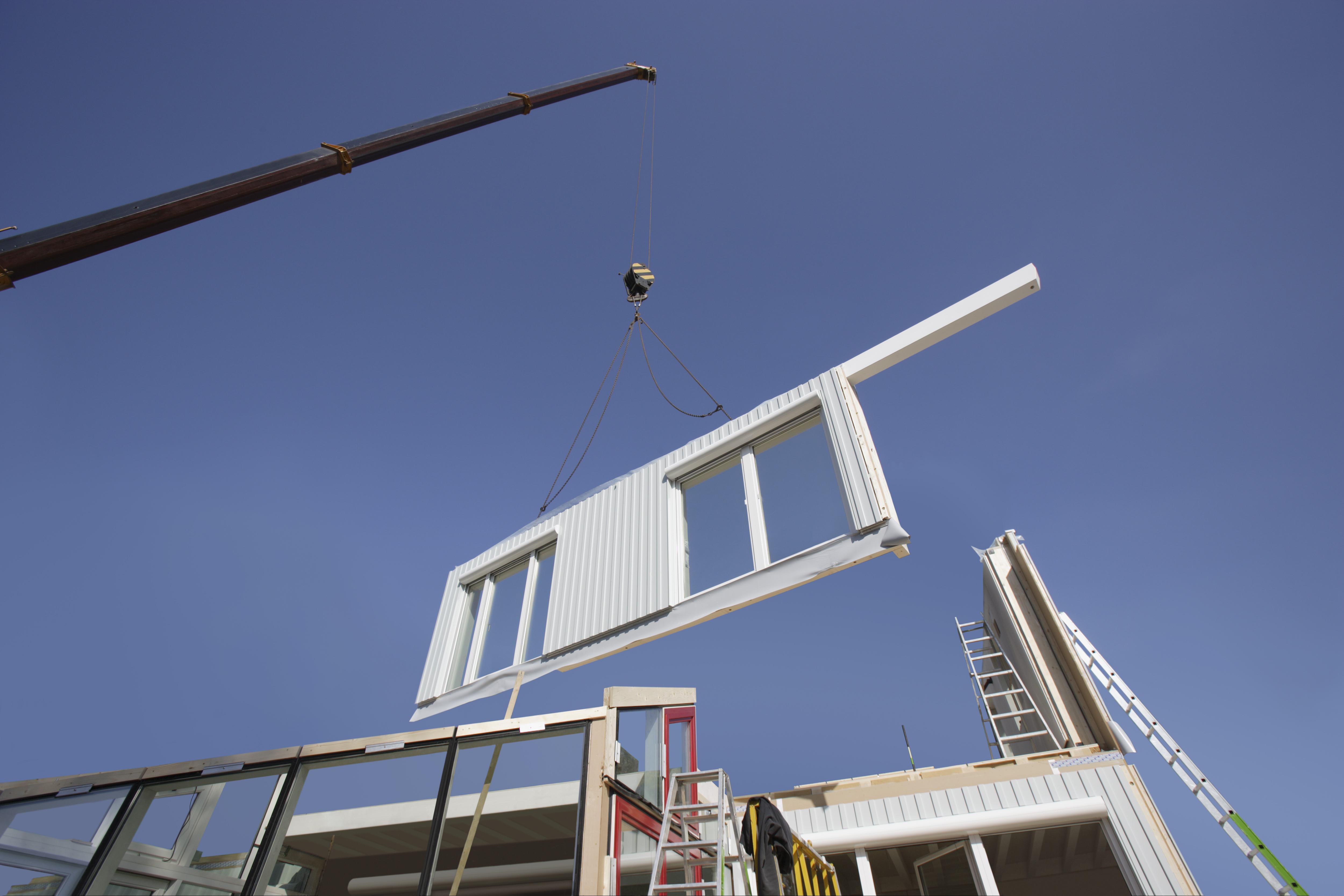
Modular delivery improves scalability, margin, and predictability. It represents a shift towards more product-like delivery models. A deeper page should assess platform economics and capability requirements.

Circular materials link sustainability with procurement advantage and innovation. A focused page should explore material platforms, supply ecosystems, and commercial adoption.

Infrastructure and engineering companies need more than high-level insight. They need clear decisions about where to play and how to build commercially viable positions. CamIn can supports you across the full opportunity cycle.


