
.png)


Carbon, Infrastructure, Digital, and Energy Transition Growth
The oil and gas industry is entering a new phase of strategic transformation. Growth is no longer defined only by exploration success, production scale, or refining efficiency. The more important question now is where companies can create new value as carbon constraints, infrastructure shifts, digital capabilities, and energy system redesign reshape the industry.
For senior decision-makers, the key shift is this: product, service, and portfolio innovation are becoming as important as operational performance. Operational excellence still matters. It improves margins, safety, emissions performance, and resilience. But the strongest long-term value creation is increasingly tied to how companies reposition into adjacent opportunity spaces.
This changes how the opportunity landscape should be read. The priority is not simply to optimise the existing hydrocarbon business. It is to determine where new revenue pools are emerging and how existing capabilities can be redeployed into them.

Carbon policy and emissions expectations are reshaping cost structures and market access

Industrial customers are demanding lower-carbon energy, feedstocks, and services

Infrastructure is becoming a strategic asset in new energy and carbon systems

Digital and AI capabilities are improving asset performance and enabling new business models

Sustainability is expanding beyond emissions into water, waste, and lifecycle performance
.jpg)
Description
Technologies to reduce and monitor methane emissions
Strategic relevance
Improves compliance and market positioning
Commercial relevance
Immediate cost savings and regulatory alignment
Time horizon
2025 to 2030
Description
Integrated carbon capture, transport, and storage ecosystems
Strategic relevance
Leverages subsurface and infrastructure capabilities to enter a major adjacent market
Commercial relevance
Revenue from storage, transport, and project participation
Time horizon
2025 to 2035
Description
End-to-end emissions services for industrial customers
Strategic relevance
Moves companies into service-led decarbonisation roles
Commercial relevance
Recurring service revenue and customer integration
Time horizon
2026 to 2034
Description
Hydrogen, ammonia, renewable fuels, and lower-carbon energy carriers
Strategic relevance
Provides a pathway into future fuel markets beyond hydrocarbons
Commercial relevance
Premium markets and policy-supported demand
Time horizon
2026 to 2035
Description
External digital services based on operational expertise
Strategic relevance
Extends capabilities into higher-margin service models
Commercial relevance
New revenue streams and customer stickiness
Time horizon
2026 to 2034
Description
AI for exploration, reservoir modelling, and production forecasting
Strategic relevance
Improves capital allocation and asset decisions
Commercial relevance
Higher recovery rates and reduced exploration risk
Time horizon
2025 to 2030
Description
Integrated data platforms across assets
Strategic relevance
Enables optimisation, emissions tracking, and remote operations
Commercial relevance
Improved uptime and operational efficiency
Time horizon
2025 to 2031
Description
Centralised multi-asset management
Strategic relevance
Improves co-ordination and decision speed
Commercial relevance
Efficiency gains and reduced operating friction
Time horizon
2025 to 2031
Description
Digital optimisation of refining and processing assets
Strategic relevance
Protects margins in core operations
Commercial relevance
Immediate yield and efficiency improvements
Time horizon
2025 to 2030
Description
Data-driven maintenance and asset monitoring
Strategic relevance
Core to asset performance and cost control
Commercial relevance
Reduced downtime and maintenance costs
Time horizon
2025 to 2030
Description
Treatment and reuse of water across operations
Strategic relevance
Reduces risk in water-constrained regions
Commercial relevance
Lower cost and improved resilience
Time horizon
2025 to 2030
Description
Turning waste water into usable resources
Strategic relevance
Improves resource efficiency
Commercial relevance
New service and cost-reduction opportunities
Time horizon
2026 to 2033
Description
Reuse of wells, pipelines, and infrastructure
Strategic relevance
Converts liabilities into future options
Commercial relevance
Avoided costs and new infrastructure roles
Time horizon
2025 to 2035
Description
Reuse of pipelines for CO2 or hydrogen
Strategic relevance
Protects value of legacy infrastructure
Commercial relevance
Lower-cost entry into new systems
Time horizon
2025 to 2033
Description
Integrated energy, carbon, and industrial systems
Strategic relevance
Positions companies at the centre of ecosystem development
Commercial relevance
Multi-service revenue and long-term contracts
Time horizon
2026 to 2035
Description
Transport and storage systems for new fuels
Strategic relevance
Enables participation in emerging fuel markets
Commercial relevance
Infrastructure-led revenue and trade flows
Time horizon
2026 to 2035
Description
Networks for carbon transport and storage
Strategic relevance
Establishes infrastructure control in carbon ecosystems
Commercial relevance
Long-term infrastructure revenue
Time horizon
2025 to 2035
The oil and gas industry is not moving towards a single future state. It is expanding into multiple parallel pathways. Demand is evolving. Industrial customers, transport systems, and energy users increasingly require:
This creates new forms of demand that extend beyond conventional hydrocarbons.
Regulation is also becoming more strategic. Carbon pricing, methane rules, fuel standards, and reporting requirements are no longer just compliance issues. They are shaping which assets remain competitive, which products remain viable, and which companies will retain market access.
Technology is also shifting the landscape. Advances in carbon capture, hydrogen systems, AI-driven subsurface modelling, and digital operations are enabling both better performance in existing assets and entry into new opportunity spaces.
Competitive dynamics are broadening. Oil and gas companies are no longer competing only with each other. They are increasingly interacting with:
This creates a more complex and interconnected competitive environment.
Operational optimisation improves cost position and asset performance. It remains essential but cannot ensure long-term relevance. Product and portfolio innovation determine whether a company participates in future value pools, whether it can build new revenue streams, and whether it can reposition into emerging ecosystems.
In the oil & gas industry, this means:
The most important strategic question is no longer only how to operate existing assets more efficiently. It is where to extend the portfolio and how to create new value from existing capabilities.
Companies that remain narrowly focused on legacy models may face:
The industry is branching into multiple opportunity spaces at once. That makes a structured opportunity landscape essential.

The table below is the core map of the opportunity landscape. It highlights three distinct categories:
The most important point is that these are not abstract trends. They are specific opportunity spaces where commercial pull and capability fit intersect.
This landscape shows that value creation is no longer confined to a single part of the value chain. It spans molecules, infrastructure, services, and digital capability.
Not every opportunity deserves the same level of immediate attention. Some areas are strategically important but still maturing. Others already sit at the intersection of market demand, regulatory momentum, and existing capability fit.
The priority should be to focus on opportunity spaces that combine strong adjacency to current assets and capabilities cClear commercial pathways, and early ecosystem formation.
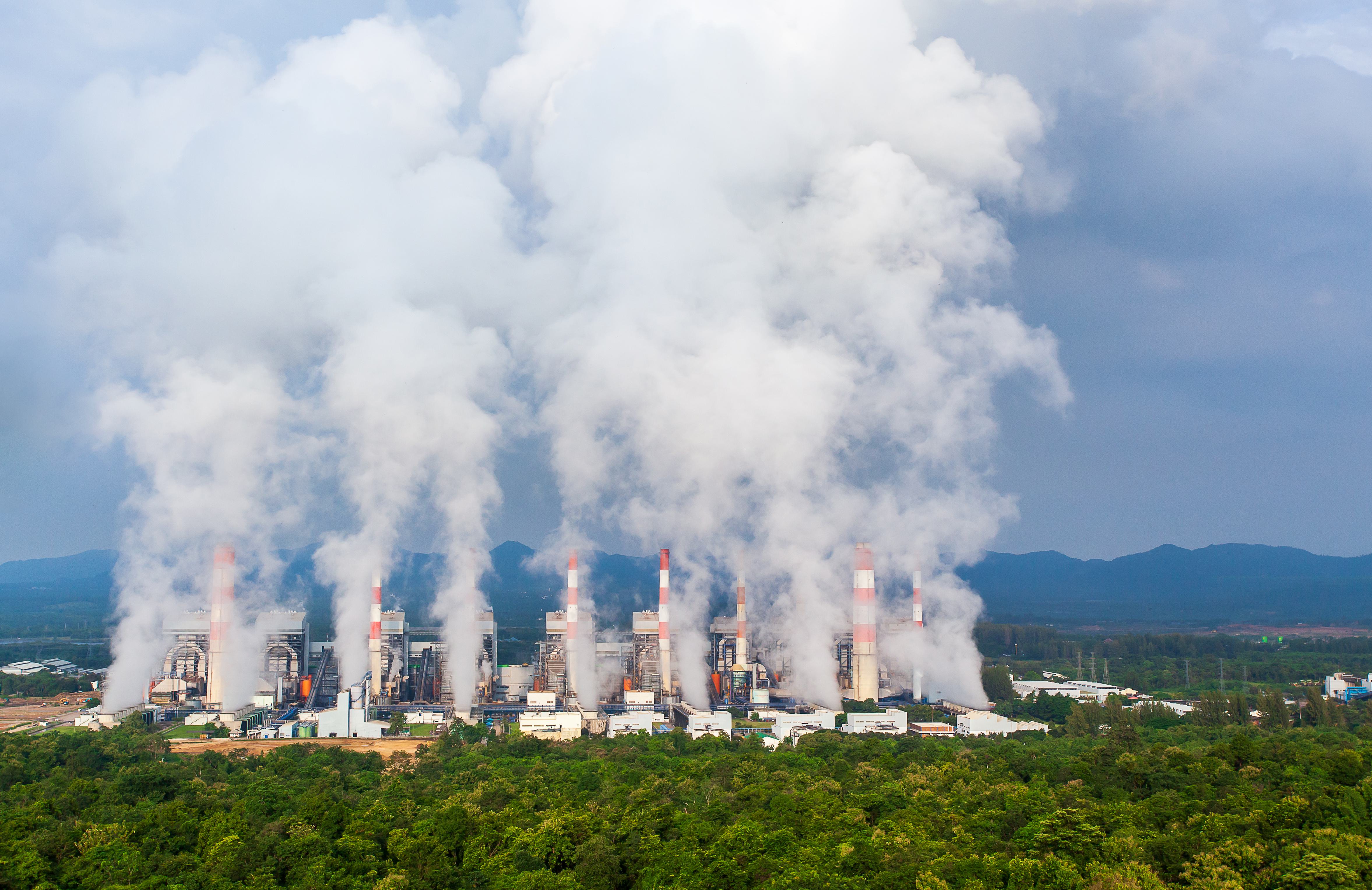
Carbon capture and storage should be one of the first areas companies investigate. It aligns closely with existing subsurface and infrastructure capabilities while opening access to a major new market in industrial decarbonisation. Early positioning matters because infrastructure, partnerships, and regulatory frameworks are being established now.

Hydrogen, ammonia, and renewable fuels represent one of the most important long-term product pathways. These markets are still developing, but strategic positioning decisions such as partnerships, infrastructure, and customer alignment need to be made early to secure future relevance.

This opportunity reframes oil and gas capabilities as customer-facing services rather than internal operations. It offers a route into recurring revenue models and stronger integration with industrial clients seeking decarbonisation solutions.
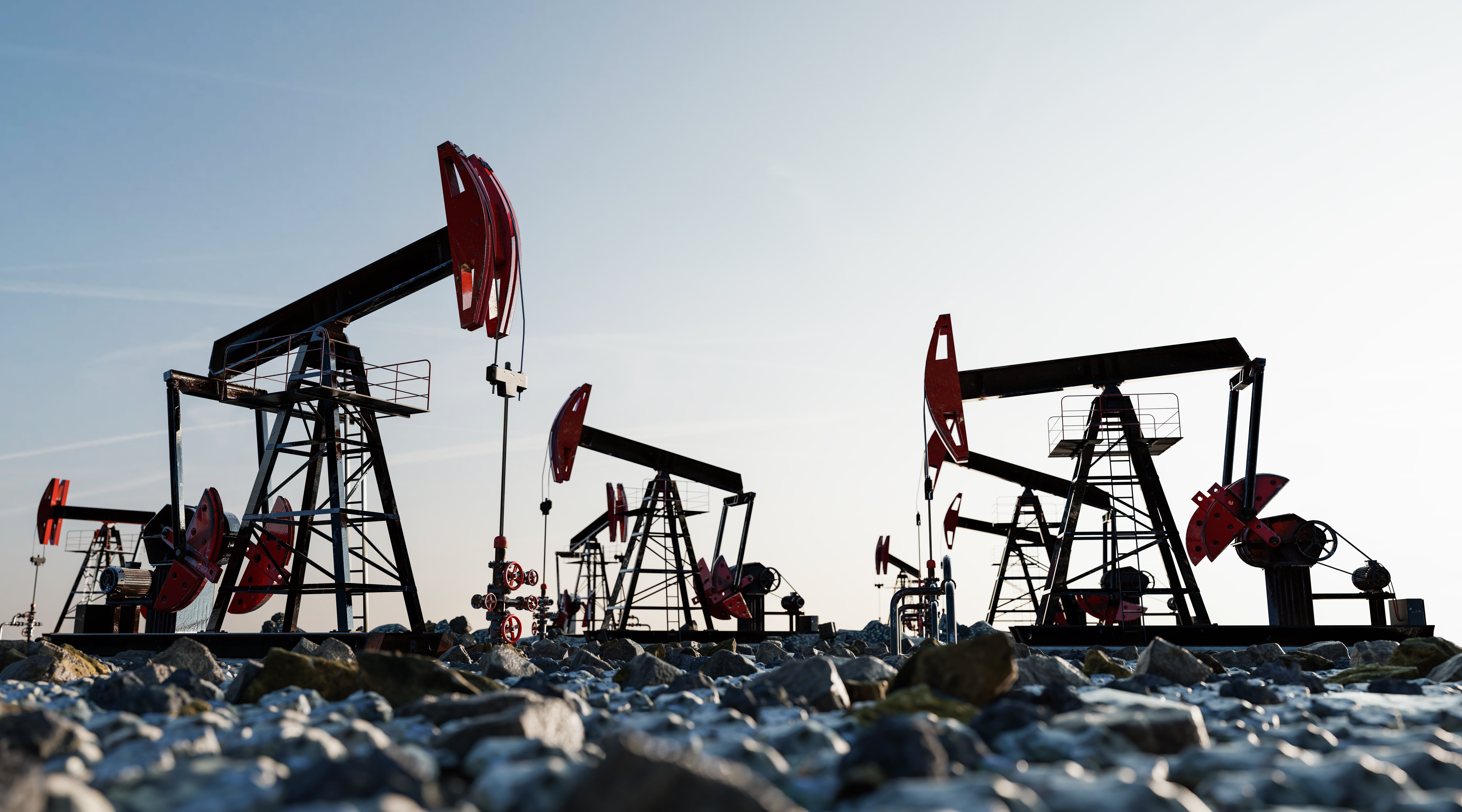
AI-driven subsurface intelligence is one of the most immediately actionable digital opportunities. It directly improves high-value decisions in exploration and production and can generate measurable returns without requiring entirely new business models.
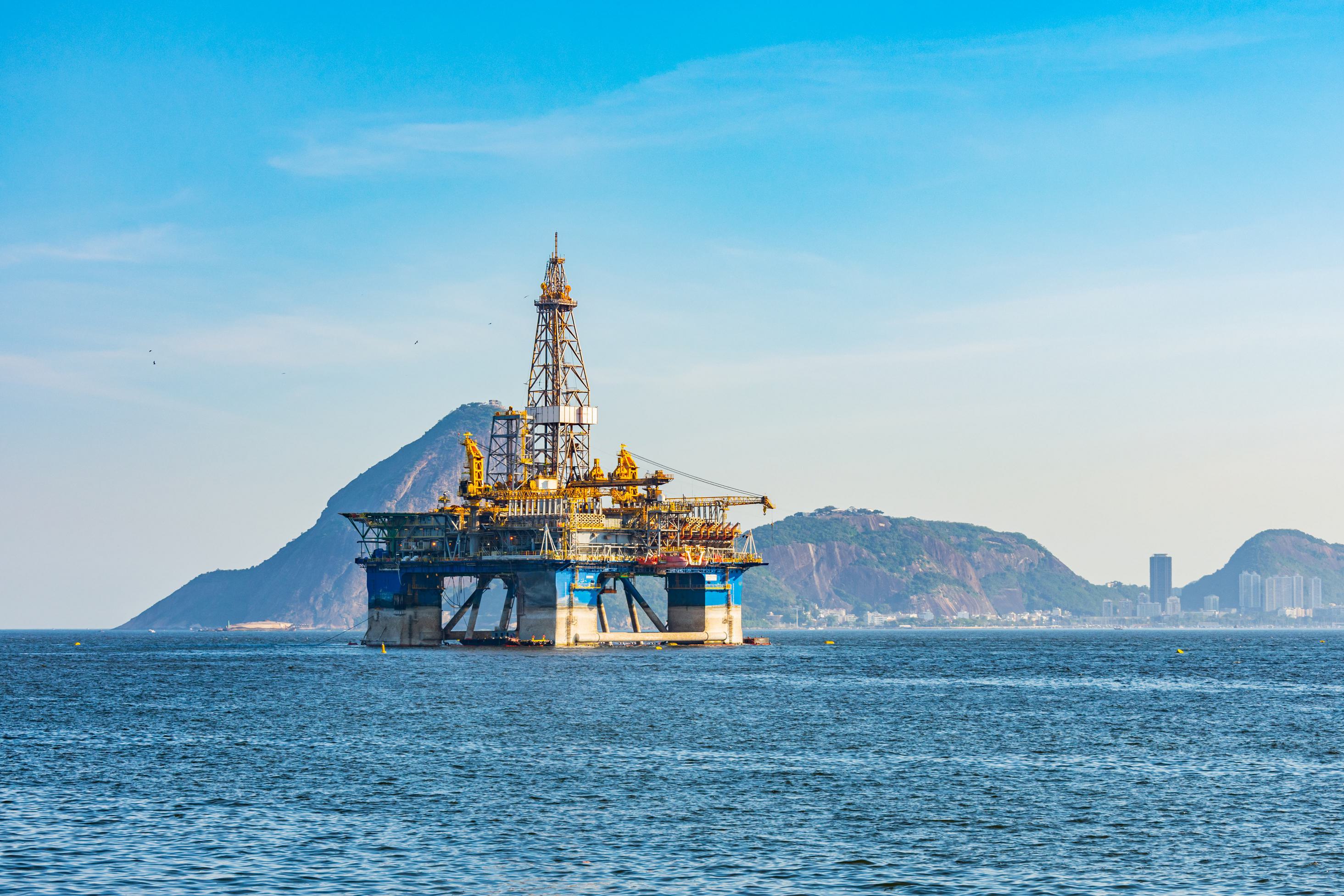
Repurposing infrastructure is critical because it converts legacy assets into future optionality. Pipelines, storage, and industrial sites can be redeployed into carbon, hydrogen, and energy systems, protecting asset value and enabling new growth pathways.

Control of carbon transport and storage networks is likely to become a major source of advantage. Companies that secure early infrastructure positions can build long-term revenue streams and ecosystem influence.

Oil and gas companies do not need more high-level transition narratives. They need clear decisions about where to play, how to reposition, and how to turn opportunity into commercial value. CamIn supports that work across the full opportunity cycle.
For oil and gas companies, the challenge is not simply to innovate more. It is to make clearer choices about where to invest, where to lead, and how to build durable positions in emerging value pools.


