
.png)


Automation, Electrification, Smart Equipment, Circularity, and AI
The Machinery & Tools industry is entering a new innovation cycle. Growth is no longer defined mainly by product performance, manufacturing scale, distribution reach, or incremental feature upgrades. The more strategic question now is where companies can create new value as automation, electrification, intelligent equipment, lifecycle services, and circular business models reshape industrial demand.
For senior decision-makers, the most important shift is this: in machinery and tools, product, service, business model, and portfolio innovation are becoming stronger value drivers than operational optimisation alone. Process improvement, plant digitalisation, and manufacturing efficiency still matter. They improve cost position, resilience, quality, and execution. But the strongest commercial upside is increasingly tied to smarter equipment platforms, service-led revenue models, retrofit solutions, electrified product lines, and adjacent-market participation.
That changes how the opportunity landscape should be read. The priority is not simply to optimize the current business. It is to determine which innovation spaces can create new revenue pools, strengthen lifecycle economics, defend relevance in changing customer environments, and reposition the portfolio for the next decade.

Customers increasingly want productivity outcomes, uptime, labor efficiency, and digital visibility rather than equipment alone

Embedded intelligence, connectivity, AI, robotics, and advanced controls are changing what a competitive product platform looks like

Electrification and industrial decarbonisation are reshaping equipment requirements and procurement criteria

Sustainability is becoming more commercial through repairability, remanufacturing, lifecycle value, and lower-footprint product strategies

Adjacent sectors such as EV and battery manufacturing, logistics automation, charging infrastructure, and clean industrial systems are creating new demand pull
.jpg)
Description
Machinery and tools equipped with sensors, connectivity, and remote performance monitoring
Strategic relevance
Strengthens product differentiation and creates the data layer needed for service innovation, uptime management, and installed-base visibility
Commercial relevance
Enables premium pricing, aftermarket conversion, digital service attachment, and stronger customer retention
Time horizon
2025 to 2031
Description
Upgrade packages, controls retrofits, automation add-ons, and productivity-enhancement systems for existing assets
Strategic relevance
Particularly relevant where customers want modernisation without full capital replacement and where suppliers can leverage large installed bases
Commercial relevance
Creates practical near-term growth through service-led upgrades, lower-cost modernisation offers, and installed-base monetisation
Time horizon
2025 to 2030
Description
Modular and reconfigurable machinery platforms designed for fast changeovers, variable production, and customized operations
Strategic relevance
Strategic where customers need agility, resilience, and smaller-batch economics rather than fixed large-scale systems
Commercial relevance
Can command value in advanced manufacturing segments and improve competitiveness in dynamic end markets
Time horizon
2026 to 2034
Description
Equipment with automated guidance, remote operation, or reduced operator dependence for industrial settings
Strategic relevance
Important in environments facing labor scarcity, safety constraints, and pressure for repeatable productivity gains
Commercial relevance
Offers differentiated value in higher-end segments and can support software, controls, and premium service revenue
Time horizon
2027 to 2035
Description
Expansion into robotic workcells, motion systems, automated tooling, and integrated productivity solutions for factories, warehouses, and industrial operations
Strategic relevance
Helps companies move up the value stack from product supplier to solution provider and aligns the portfolio with structural demand for labor efficiency and higher throughput
Commercial relevance
Supports higher-value system sales, stronger integration into customer operations, and longer-tail service and support revenue
Time horizon
2025 to 2034
Description
Use of AI in simulation, product development, design optimisation, and faster engineering response to new requirements
Strategic relevance
Important for accelerating innovation cycles and helping companies adapt product portfolios to shifting customer and regulatory needs
Commercial relevance
Improves speed to market, development efficiency, and the ability to bring differentiated products into attractive niches faster
Time horizon
2026 to 2032
Description
Remote diagnostics, service portals, digital workflows, technician-assist tools, and connected support ecosystems
Strategic relevance
Strengthens aftermarket reach and improves the economics of service delivery across geographically distributed installed bases
Commercial relevance
Increases service efficiency, improves response times, and supports higher service attachment rates and parts revenue
Time horizon
2025 to 2030
Description
Commercial models based on subscription, pay-per-use, uptime, output, or performance rather than one-time sale
Strategic relevance
Strategically important because it changes revenue quality, deepens customer lock-in, and shifts the business toward lifecycle value
Commercial relevance
Creates recurring revenue and better long-term customer economics, though it requires pricing discipline, service capability, and risk management
Time horizon
2026 to 2034
Description
Products with embedded intelligence for precision, user guidance, safety, traceability, and performance optimisation
Strategic relevance
Turns tools and machinery into differentiated platforms rather than standalone hardware and supports data-enabled customer value
Commercial relevance
Supports premium pricing, richer product tiers, subscription add-ons, and stronger competitive separation in mature categories
Time horizon
2025 to 2032
Description
AI-enabled diagnostics, condition monitoring, and asset-health analytics tied to machinery and tool performance
Strategic relevance
One of the most actionable routes to recurring digital service models and stronger lifecycle economics
Commercial relevance
Delivers clear value through uptime improvement, service-contract growth, spare-parts conversion, and better maintenance planning
Time horizon
2025 to 2030
Description
Specialized machinery supporting cleaner operations in sectors such as mining, heavy industry, materials, ports, and process operations
Strategic relevance
Strategically important where decarbonisation budgets are large and equipment differentiation can be tied to difficult operating conditions
Commercial relevance
Offers selective but potentially high-value growth in demanding industrial segments where customers will pay for robust lower-emissions performance
Time horizon
2027 to 2036
Description
Kits, upgrades, controls, and efficiency technologies that help customers reduce emissions from existing equipment and operations
Strategic relevance
Attractive because it links sustainability goals to practical installed-base opportunities rather than full replacement cycles alone
Commercial relevance
Creates scalable service and retrofit revenue while strengthening customer relationships through measurable performance improvements
Time horizon
2025 to 2031
Description
Machinery, tools, installation systems, and maintenance solutions serving wind, solar, storage, grid, and related infrastructure deployment
Strategic relevance
Connects the portfolio to large external capital flows driven by the energy transition and infrastructure expansion
Commercial relevance
Expands addressable market into high-investment sectors with multi-year demand visibility and service potential
Time horizon
2026 to 2035
Description
Machinery and tools engineered to reduce energy use through better controls, design, and operational efficiency
Strategic relevance
Relevant where customers are under pressure to cut operating cost and emissions while improving process productivity
Commercial relevance
Creates product differentiation in procurement and can support stronger value-based selling tied to lifecycle savings
Time horizon
2025 to 2031
Description
Replacement of combustion-based or lower-efficiency equipment platforms with electric alternatives across industrial and commercial applications
Strategic relevance
A core product-renewal opportunity tied to sustainability pressure, regulation, user preference changes, and cleaner operating environments
Commercial relevance
Supports new product demand, premium positioning in lower-emissions segments, and longer-term competitiveness as electrification expands
Time horizon
2025 to 2033
Description
End-of-life take-back, resale, lifecycle tracking, and circular customer service models beyond the first sale
Strategic relevance
Helps shift the company toward a more controlled lifecycle role rather than leaving value to secondary-market intermediaries
Commercial relevance
Builds recurring engagement, protects residual value, and supports more defensible multi-stage revenue models
Time horizon
2026 to 2034
Description
Product redesign using lower-impact materials, lighter-weight architectures, or lower-footprint manufacturing choices
Strategic relevance
Relevant where procurement, brand position, and market access increasingly depend on visible sustainability performance
Commercial relevance
Can support differentiated bidding positions, premium segments, and stronger relevance in sustainability-sensitive customer categories
Time horizon
2026 to 2034
Description
Reused, remanufactured, or recycled parts strategies built into service and aftermarket operations
Strategic relevance
Supports a more structured circular model in the installed base and can strengthen affordability and availability in service
Commercial relevance
Creates lower-cost service offerings, improves parts margin management, and supports sustainability claims with practical operational value
Time horizon
2025 to 2031
Description
Structured programs to rebuild, refurbish, and remarket used equipment and tools at high functional quality
Strategic relevance
Highly relevant for companies with strong installed bases and aftermarket capabilities because it extends lifecycle control and value capture
Commercial relevance
Supports attractive service margins, secondary-market revenue, and stronger economics across the equipment lifecycle
Time horizon
2025 to 2032
Description
Product architectures designed for easy maintenance, part replacement, upgrades, and longer usable life
Strategic relevance
Important because it connects product design directly to service revenue, lifecycle value, and evolving customer expectations on repairability
Commercial relevance
Can improve customer retention, reduce replacement friction, and expand profitable parts and maintenance activity
Time horizon
2026 to 2033
Description
Tooling, maintenance systems, and specialized equipment supporting transport infrastructure modernisation
Strategic relevance
A selective but relevant adjacent space where public and industrial investment supports long-term modernisation programs
Commercial relevance
Commercial value is strongest in targeted segments with strong installed-base support, service needs, and infrastructure renewal budgets
Time horizon
2027 to 2036
Description
Specialized tools and production technologies supporting lightweight structures, electronics integration, and advanced mobility components
Strategic relevance
Strategic in higher-value manufacturing niches where technical precision and material transition are reshaping production methods
Commercial relevance
Supports access to premium manufacturing applications and differentiated technical positions within evolving mobility supply chains
Time horizon
2026 to 2033
Description
Robotics, handling systems, mobile equipment, and automation platforms for logistics and fulfillment operations
Strategic relevance
Important because logistics automation is becoming a major demand driver for industrial equipment and system productivity
Commercial relevance
Creates growth through both equipment and solution sales, with ongoing service and software potential
Time horizon
2026 to 2034
Description
Tools, installation systems, service equipment, and maintenance technologies for charging and related mobility infrastructure
Strategic relevance
Connects machinery and tools portfolios to the physical build-out required by electrified transport systems
Commercial relevance
Offers adjacent growth from installation, field service, maintenance, and infrastructure support needs
Time horizon
2025 to 2032
Description
Equipment, production systems, tooling, and process support for battery plants, EV assembly, and power electronics manufacturing
Strategic relevance
A strong adjacent opportunity because transport electrification is driving major investment in new manufacturing capacity and specialized production requirements
Commercial relevance
Provides access to high-growth industrial demand, premium applications, and long-cycle customer investment programs
Time horizon
2025 to 2033
The next phase of growth in machinery and tools is being shaped by a different mix of pressures than the industry faced in earlier cycles. Historically, advantage often came from engineering quality, manufacturing efficiency, distribution access, installed-base scale, and product reliability. Those factors still matter, but they are no longer enough on their own.
Demand is changing at the customer level. Industrial buyers increasingly want machinery and tools that improve throughput, reduce labor dependency, integrate into automated environments, support predictive maintenance, and lower total cost of ownership. In many segments, customers are no longer buying only hardware performance. They are buying productivity, uptime, service responsiveness, digital visibility, and lifecycle economics.
Technology is changing the shape of competition. Sensors, connectivity, remote monitoring, embedded software, AI-driven diagnostics, robotics, and digital service layers are reshaping how value is created after the initial product sale. This is opening space for new business models and giving competitors new ways to capture customer relationships that were once defined mainly by hardware.
Regulation and procurement expectations are also becoming more strategic. Energy efficiency standards, lower-emissions requirements, right-to-repair dynamics, sustainability reporting, and circularity expectations are beginning to influence product design, service strategy, and buying criteria. In some categories, sustainability is no longer peripheral. It is becoming part of how equipment is evaluated and selected.
Competitive dynamics are shifting as well. Customers increasingly expect more integrated, data-enabled offerings. Automation specialists, software firms, digital service providers, and systems integrators are competing in layers of value that traditional machinery and tools players have not always treated as core. That raises an important strategic question: who controls the lifecycle relationship, and who captures the recurring value after the first sale?
In this environment, product and portfolio innovation matter because they determine whether a company participates in emerging value pools or remains trapped in increasingly pressured hardware categories.
The strongest opportunities now sit in areas such as industrial automation systems, connected production equipment, predictive maintenance, electrified machinery, equipment-as-a-service, remanufacturing, retrofit solutions, and adjacent-market expansion into EV and battery manufacturing. These are not broad trend labels. They are specific opportunity spaces where customer need, technology maturity, and commercial logic are starting to align.
Which opportunity spaces fit the current product base, installed base, and engineering strengths
Where recurring revenue and stronger lifecycle economics can be built
Which adjacent markets justify deeper partnership, acquisition, or ecosystem activity
Where digital and operational transformation should support strategic repositioning rather than substitute for it
Companies that remain too dependent on one-time equipment sales and conventional product competition may face margin pressure, weaker aftermarket capture, lower customer stickiness, and reduced relevance in procurement environments that increasingly reward intelligence, service, efficiency, and sustainability.
They may also lose influence to competitors that control software layers, service platforms, retrofit pathways, or higher-value solution architectures. In some cases, they may become underexposed to fast-growing end markets such as warehouse automation, battery production, charging build-out, and cleaner industrial systems.
The industry is not moving toward one future state. It is branching into multiple innovation pathways at once. That is what makes an opportunity landscape approach especially useful.

The opportunity table below is the core map of the landscape. It integrates the substance that would otherwise sit in multiple separate sections. Executives should use it to distinguish between three types of opportunity:
The most important point is that the highest-value opportunities are not generic. They are specific spaces where customer pull, installed-base leverage, adjacent demand, and business model innovation align.
This landscape shows why the industry cannot be understood through a single narrative. Automation, intelligent equipment, electrification, circularity, and mobility-linked industrial demand are moving at different speeds and affecting different parts of the portfolio in different ways. The strategic challenge is to decide where to lead, where to partner, and where to build enabling capabilities that strengthen more than one opportunity space at once.
Not every opportunity in this landscape deserves the same level of immediate attention. Some are strategically important but still maturing. Others already sit at the intersection of market pull, regulatory momentum, and realistic capability leverage.
For many energy and power companies, the first priority should be to focus on areas that combine portfolio relevance with a clear path to commercial traction.

Industrial automation and robotics should be one of the first areas many companies investigate because it sits at the center of structural customer demand for labor efficiency, throughput improvement, and integrated productivity solutions. It is not simply a controls or engineering topic. It is a route to higher-value system sales, stronger application ownership, and deeper participation in customer operations. A dedicated industrial automation and robotics systems strategy page should explore solution architectures, customer segments, integration models, partnership options, and where the strongest margin pools sit.
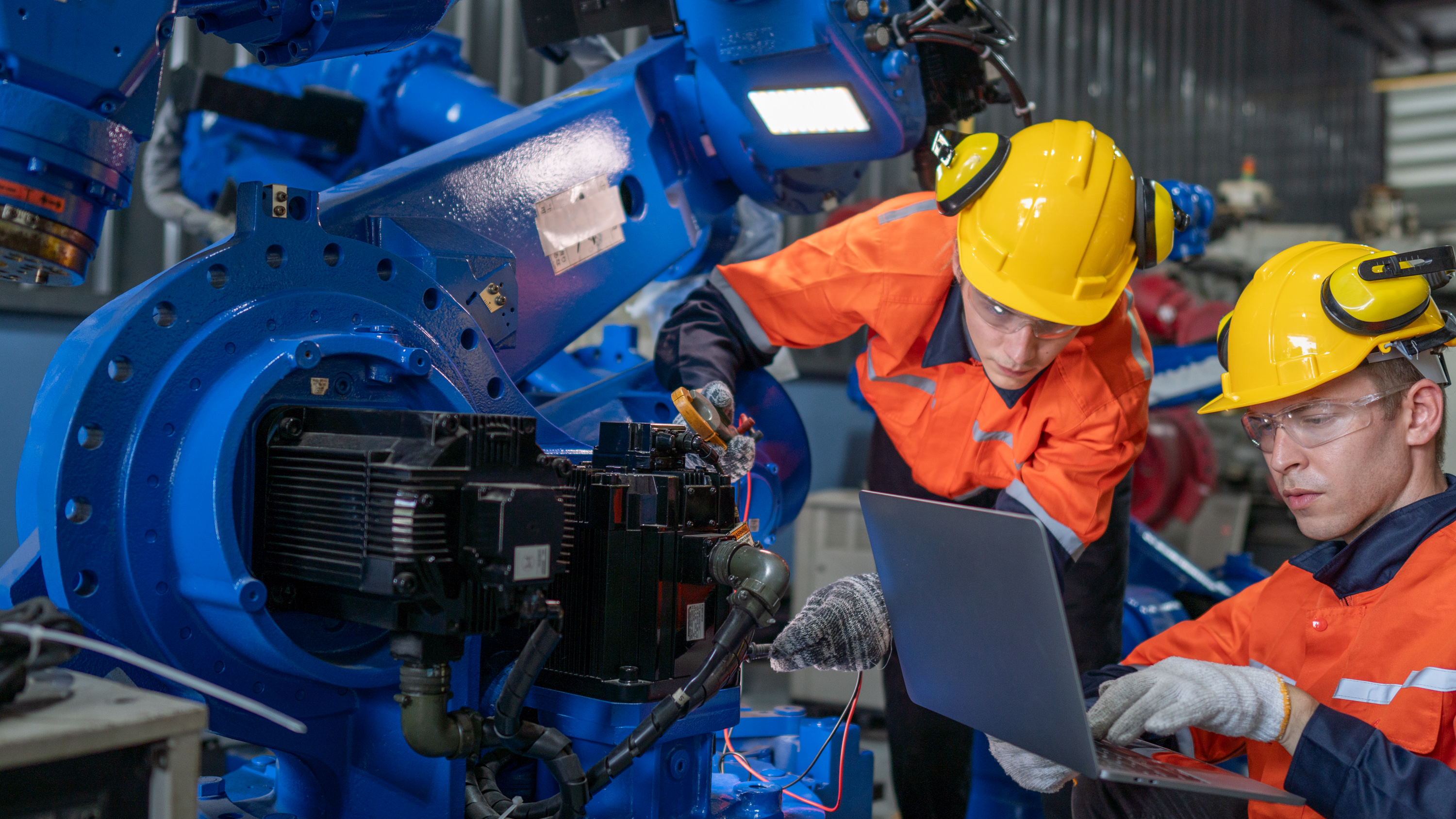
Predictive maintenance deserves early attention because it is one of the most commercially actionable digital opportunities in the sector. It links connected equipment directly to uptime value, service contract expansion, spare-parts pull-through, and stronger installed-base monetisation. A focused predictive maintenance and asset intelligence business models page should examine data requirements, service design, monetisation models, and how to scale beyond pilot programs into durable recurring revenue.
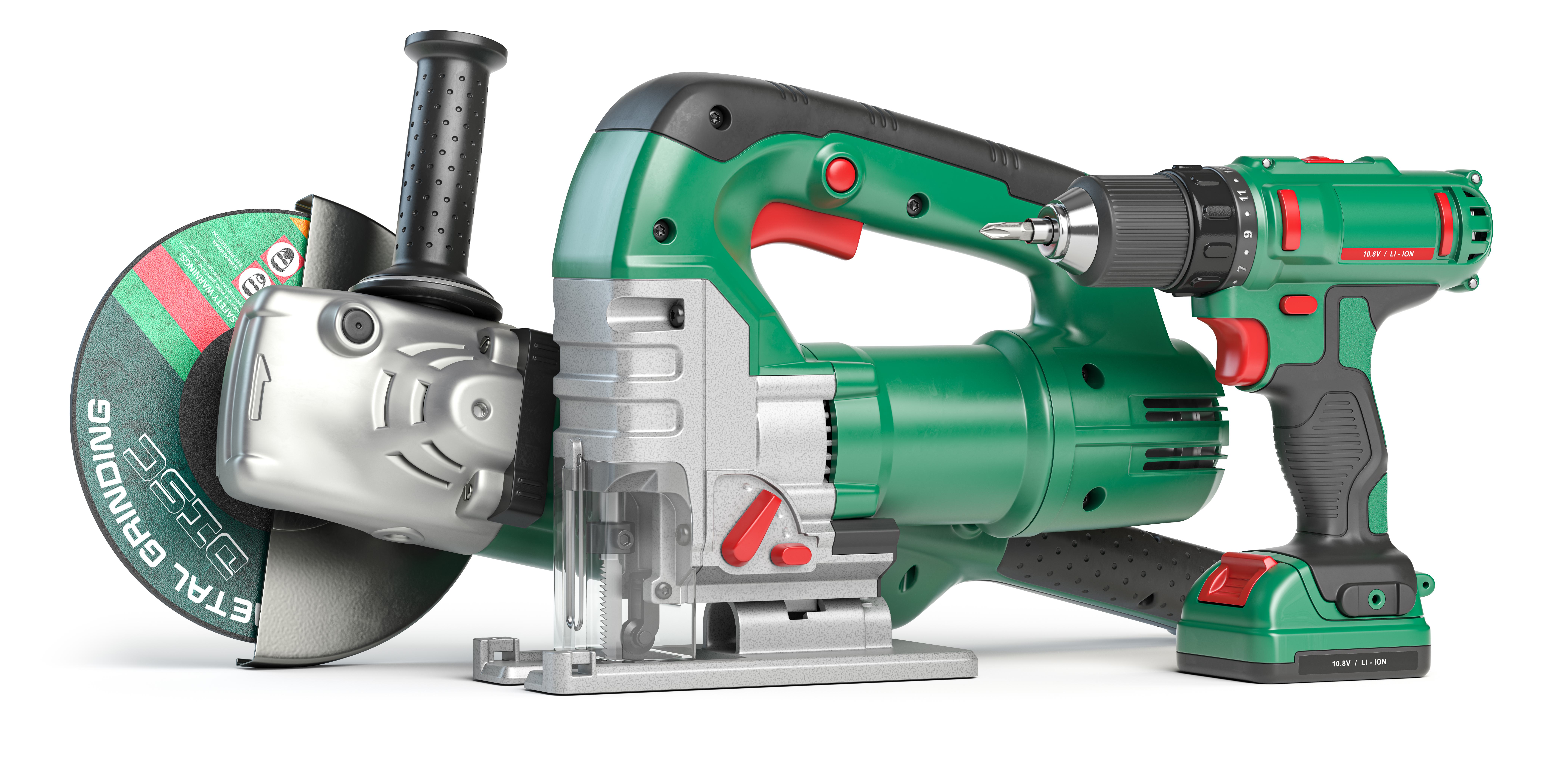
Electrified machinery and power tools should be prioritized because electrification is becoming a real product-renewal driver rather than a peripheral sustainability theme. It is being shaped by changing user preferences, emissions pressure, cleaner worksite expectations, and ongoing improvements in battery and power-system performance. A dedicated electrified machinery and power tools portfolio strategy page should assess category priorities, competitive implications, platform design choices, and partnership needs across components and energy systems.

Equipment-as-a-service deserves earlier investigation because it has the potential to change revenue quality, customer lock-in, and lifecycle economics in a meaningful way. It also forces sharper decisions around pricing, risk-sharing, utiliszation measurement, digital monitoring, and service delivery capability. A deep dive on equipment-as-a-service and outcome-based business models should focus on where these models are commercially realistic, what operational changes they require, and how to avoid weak economics.

Remanufacturing should be investigated early because it is both strategically practical and commercially underused in many machinery businesses. It turns circularity into a margin and revenue question, not just a sustainability statement. For companies with meaningful installed bases, it can strengthen lifecycle control, create premium secondary-market offerings, and improve service economics. A remanufacturing and refurbishment strategy page should cover operating models, product selection, residual value logic, channel implications, and service integration.

Machinery and tools for EV and battery manufacturing merit early attention because they represent one of the strongest adjacent-market growth spaces in the sector. Transport electrification is driving investment in new production capacity, new process requirements, and specialized tooling needs. A dedicated machinery and tools opportunities in EV and battery manufacturing page should examine where capability fit is strongest, which segments are most attractive, and how to enter without overextending beyond core strengths.

Machinery and tools companies do not need more generic commentary on automation, AI, electrification, or sustainability. They need sharper decisions about where to play, how to evolve the portfolio, which opportunities can create real commercial upside, and what capabilities are required to execute. CamIn supports that work across the full opportunity cycle.


